

 EN
EN  English
 русский
 Español
 عربى
عربى

News
 Home / News / Industry news / Why Do Single-Row Cross-Roller Slewing Bearings Offer High Load Capacity and Reliability?
 Why Do Single-Row Cross-Roller Slewing Bearings Offer High Load Capacity and Reliability?
 2026.04.09
 Industry news
Content
Introduction to Single-Row Cross-Roller Slewing Bearings
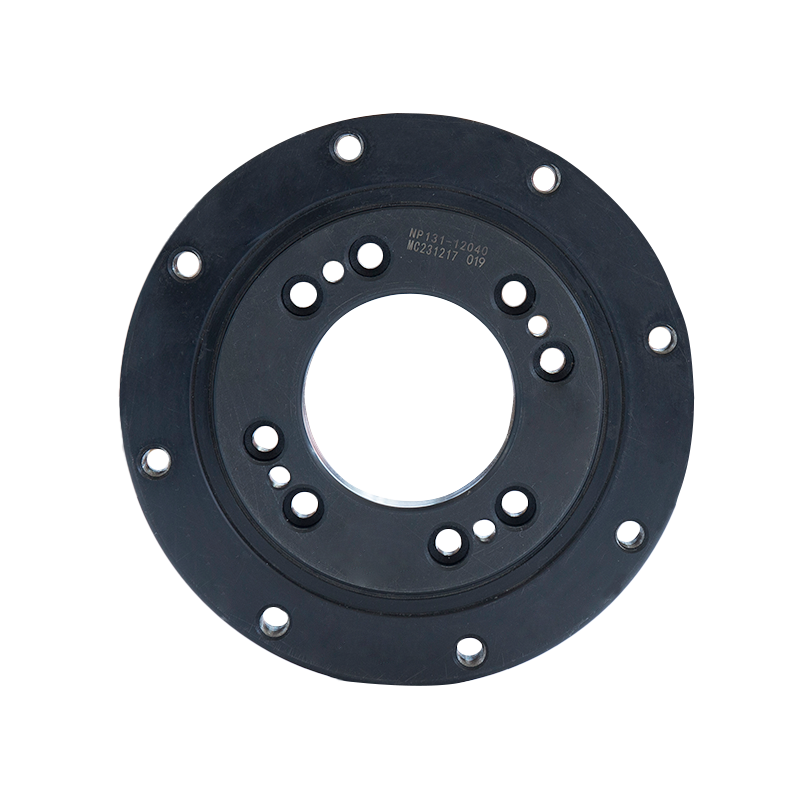
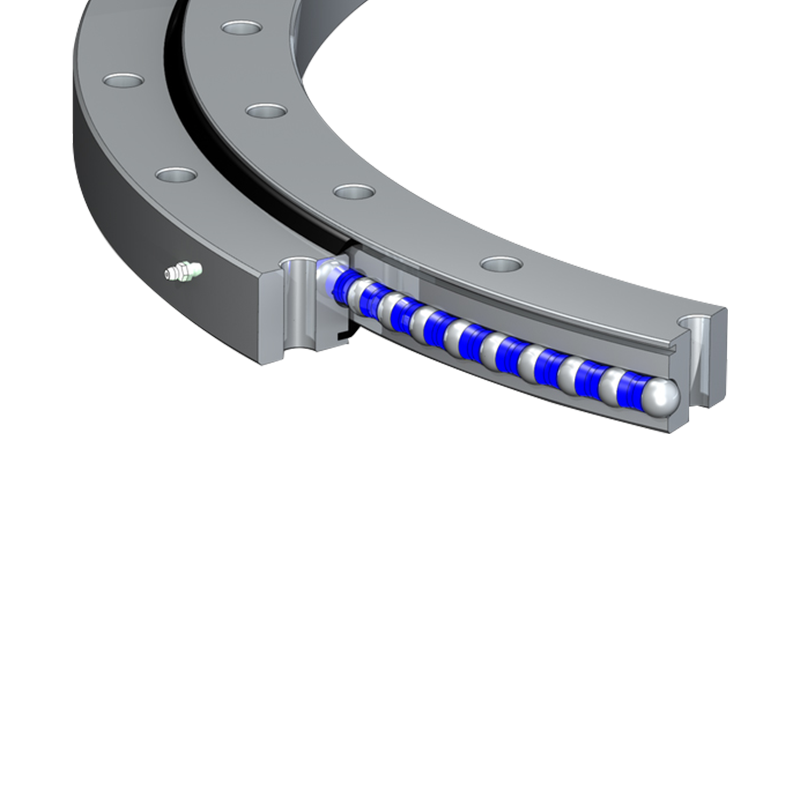
Single-row cross-roller slewing bearings are precision-engineered components widely used in heavy machinery and industrial applications. They are designed to handle axial, radial, and tilting moment loads simultaneously, making them essential for applications requiring high load-bearing capacity and reliable rotational movement. Their unique crossed-roller arrangement ensures superior rigidity and accuracy under demanding conditions, distinguishing them from conventional ball or roller bearings.
Structural Advantages and Design Features
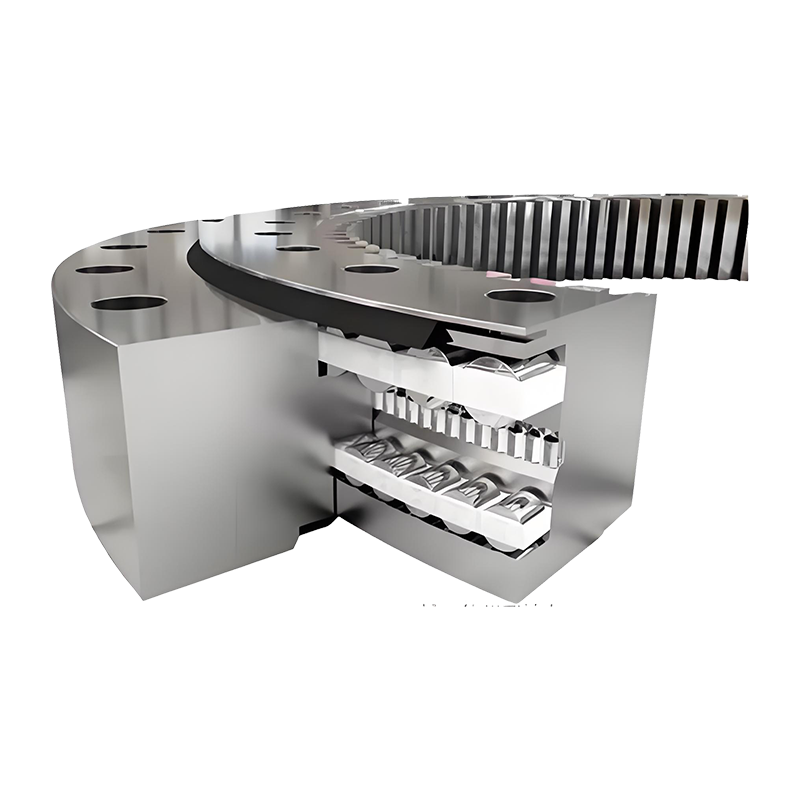
The hallmark of single-row cross-roller bearings is the orthogonal arrangement of cylindrical rollers. Each roller is positioned at a 90-degree angle to adjacent rollers, enabling balanced load distribution across the bearing's raceway.
Crossed-Roller Arrangement
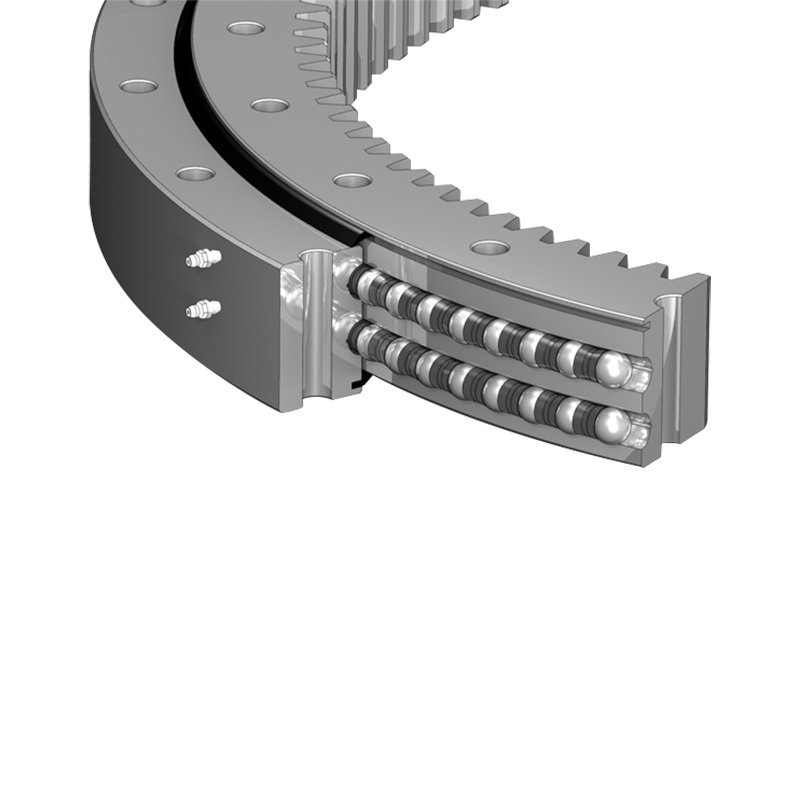
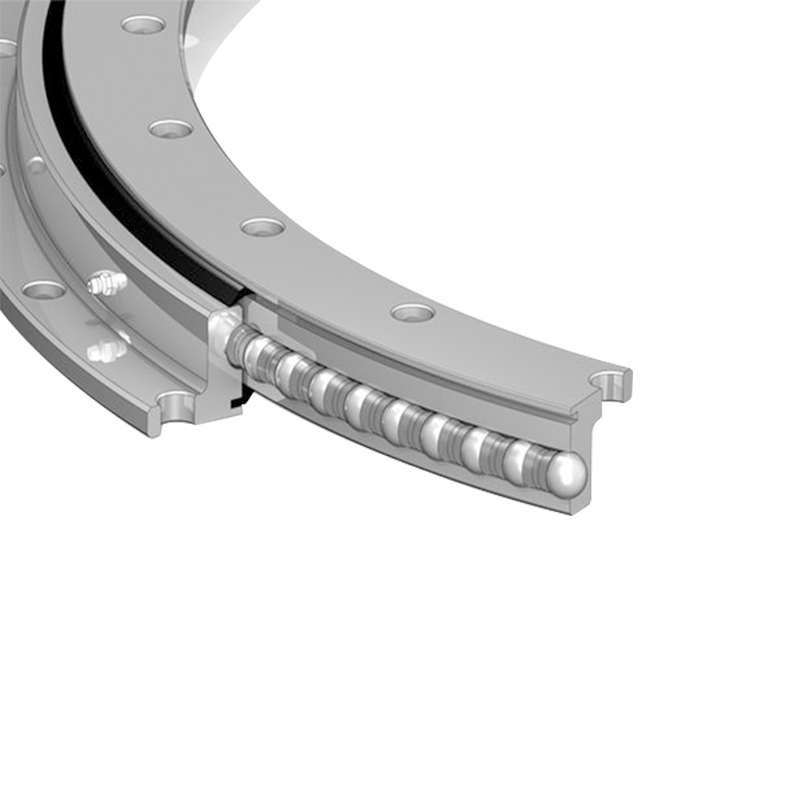
In this design, alternating rollers are laid perpendicular to each other within a single row. This configuration allows the bearing to support radial, axial, and moment loads simultaneously. It also increases rigidity, reducing deformation under heavy loads and improving rotational precision for equipment such as robotic arms, cranes, and wind turbines.
Raceway and Cage Design
High-quality single-row cross-roller bearings use hardened steel for raceways, providing wear resistance and extended service life. The cage maintains precise roller spacing, ensuring uniform load distribution and minimizing friction. Advanced designs may incorporate polyamide or brass cages for improved lubrication and reduced operational noise.
Load-Bearing Capacity Analysis
The ability to sustain high loads is a critical factor for selecting slewing bearings. Single-row cross-roller bearings achieve this through the combination of roller geometry, cross-rolling arrangement, and material selection.
Axial Load Resistance
The axial load refers to forces acting along the bearing's rotational axis. The crossed-roller design enables multiple rollers to share axial forces, reducing localized stress and minimizing the risk of permanent deformation.
Radial Load Handling
Radial loads act perpendicular to the axis of rotation. The tight spacing and full contact of rollers along the raceway provide uniform radial load distribution, ensuring smooth rotation even under heavy, continuous use.
Moment Load Management
Moment loads create tilting forces that can deform standard bearings. Single-row cross-roller bearings resist tilting moments effectively due to their rigid roller arrangement. This feature is especially valuable in cranes, excavators, and robotic platforms where uneven loading is common.
Reliability in Industrial Applications
Reliability is a cornerstone of cross-roller bearing performance. Factors contributing to operational dependability include material quality, precision manufacturing, and appropriate lubrication.
Material and Hardness
High-strength alloy steels are typically used for both rollers and raceways. Heat treatment processes enhance hardness and wear resistance, allowing bearings to operate under high loads and variable temperatures for extended periods.
Precision Manufacturing
Tolerance and geometric precision directly affect the bearing’s lifespan and performance. Advanced CNC machining and grinding ensure consistent roller size, accurate raceway geometry, and smooth rotation, reducing vibration and noise during operation.
Lubrication and Maintenance
Proper lubrication minimizes friction and heat generation, preventing premature wear. Grease-packed or oil-lubricated designs are selected based on application speed, load intensity, and environmental conditions. Regular maintenance schedules further enhance bearing reliability.
Comparison with Alternative Bearing Types
Compared to ball or conventional roller bearings, single-row cross-roller bearings provide a superior combination of rigidity, load capacity, and space efficiency. The table below illustrates key differences:
| Bearing Type | Axial Load | Radial Load | Moment Load | Rigidity |
| Ball Bearing | Medium | Medium | Low | Medium |
| Conventional Roller | High | High | Medium | High |
| Single-Row Cross-Roller | Very High | Very High | Very High | Very High |
Applications in Heavy Machinery
The high load-bearing capacity and reliability of single-row cross-roller slewing bearings make them indispensable in industries such as:
- Cranes and lifting equipment requiring stability under eccentric loads.
- Excavators and construction machinery subjected to tilting moments.
- Robotic arms and automation equipment needing precise rotation and rigidity.
- Wind turbines and solar trackers where rotational accuracy and durability are critical.
Conclusion
Single-row cross-roller slewing bearings provide a unique combination of high load-bearing capacity, exceptional rigidity, and operational reliability. Their innovative crossed-roller design allows simultaneous handling of axial, radial, and moment loads, making them essential in heavy machinery and precision equipment. By selecting these bearings based on precise load calculations, material specifications, and lubrication requirements, manufacturers can ensure optimal performance, longevity, and safety in demanding industrial applications.

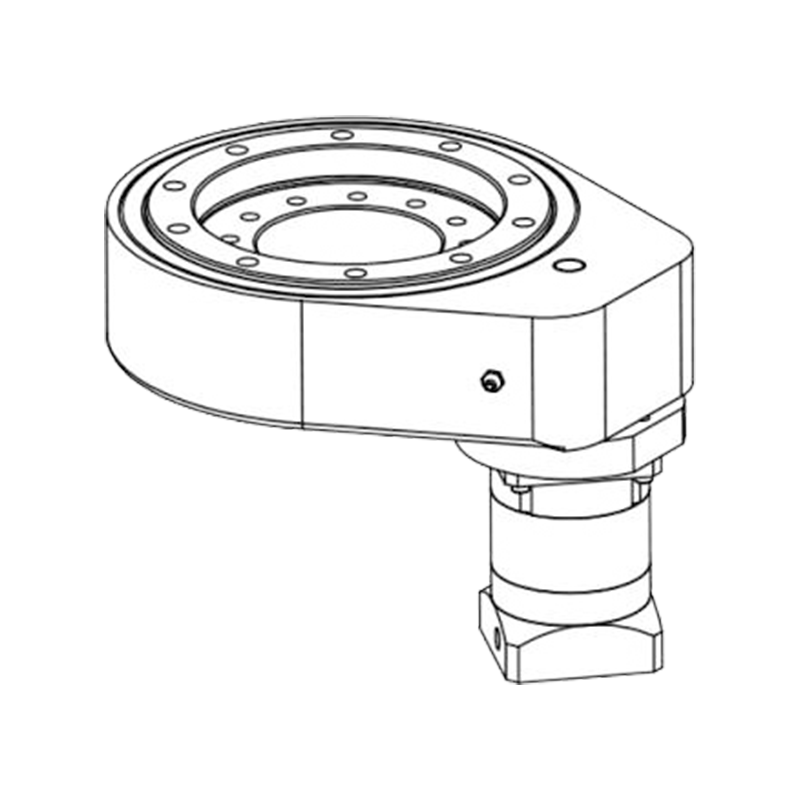

Jiangsu Manchen Transmission Technology Co., Ltd. excels in creating custom, reliable, and precise slewing bearings for diverse industries, continuously innovating to meet the highest standards and seeking collaborative opportunities. Reliable and steady slewing bearings supplier in China.
Product links
Contact Us
-
Address:No. 8, Nanqiu Road, Huangtu Town, Jiangyin City,China
-
Tel:+86-13646122221
-
Phone:+86-18796936198
-
WhatsApp:+86 18796936198
-
E-mail:hedy@slewingbearingcn.com
-
E-mail:ma@slewingbearingcn.com
-
E-mail:vena@slewingbearingcn.com
