

 EN
EN  English
 русский
 Español
 عربى
عربى

News
 Home / News / Industry news / What Are the Applications and Selection Criteria for Vertical Rotary Drive Units?
 What Are the Applications and Selection Criteria for Vertical Rotary Drive Units?
 2026.04.15
 Industry news
Content
- 1 Overview of Vertical Rotary Drive Units in Modern Industry
- 2 Core Working Principle of Vertical Rotary Drive Systems
- 3 Key Application Scenarios of Vertical Rotary Drive Units
- 4 Important Performance Parameters to Consider
- 5 Selection Criteria for Choosing the Right Drive Unit
- 6 Comparison of Common Vertical Rotary Drive Types
- 7 Common Issues and Engineering Solutions
- 8 Maintenance and Long-Term Reliability
- 9 Conclusion: Importance of Proper Selection and Application
Overview of Vertical Rotary Drive Units in Modern Industry
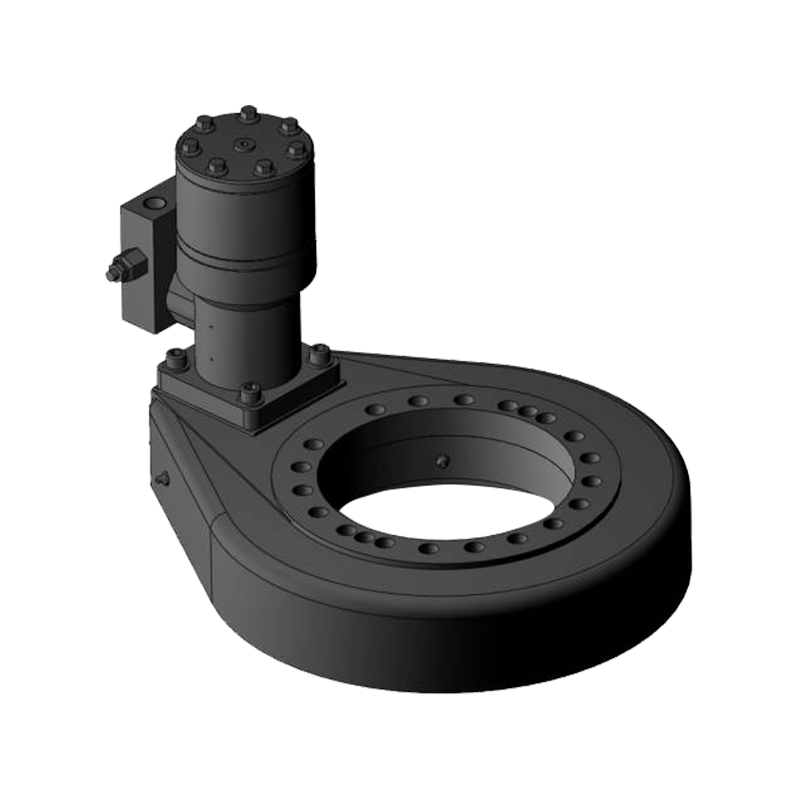
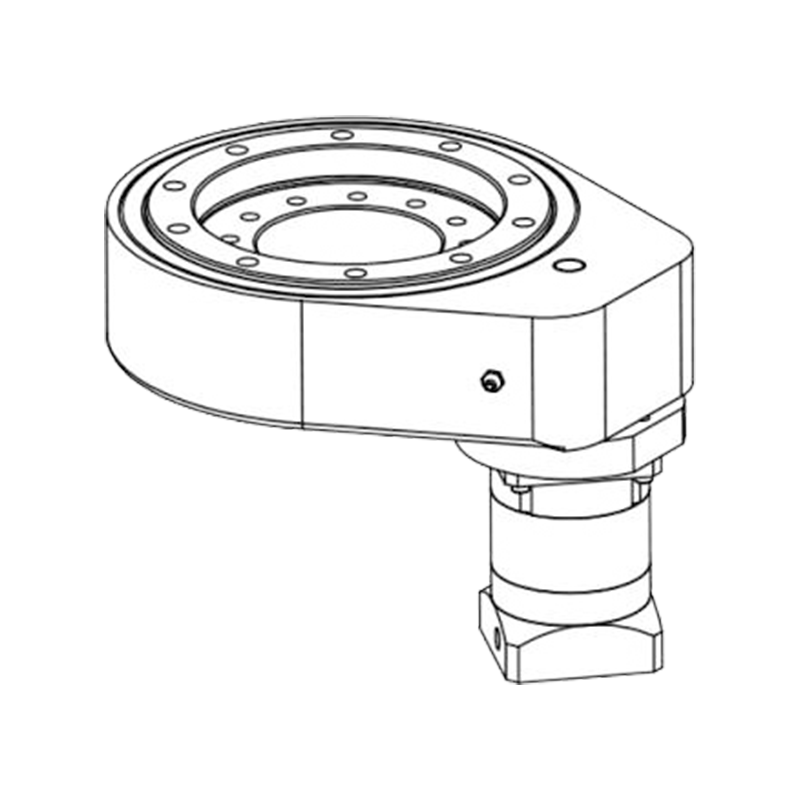
A vertical rotary drive unit is a mechanical system designed to provide controlled rotational motion in a vertical axis. It is widely used in automation equipment, precision machinery, robotics, and heavy-duty industrial systems where accurate angular positioning and load-bearing rotation are required.
Unlike horizontal rotary systems, vertical rotary drives must handle both axial and radial loads while maintaining stable rotational accuracy. This makes their design more complex and performance-critical in industrial applications.
Core Working Principle of Vertical Rotary Drive Systems
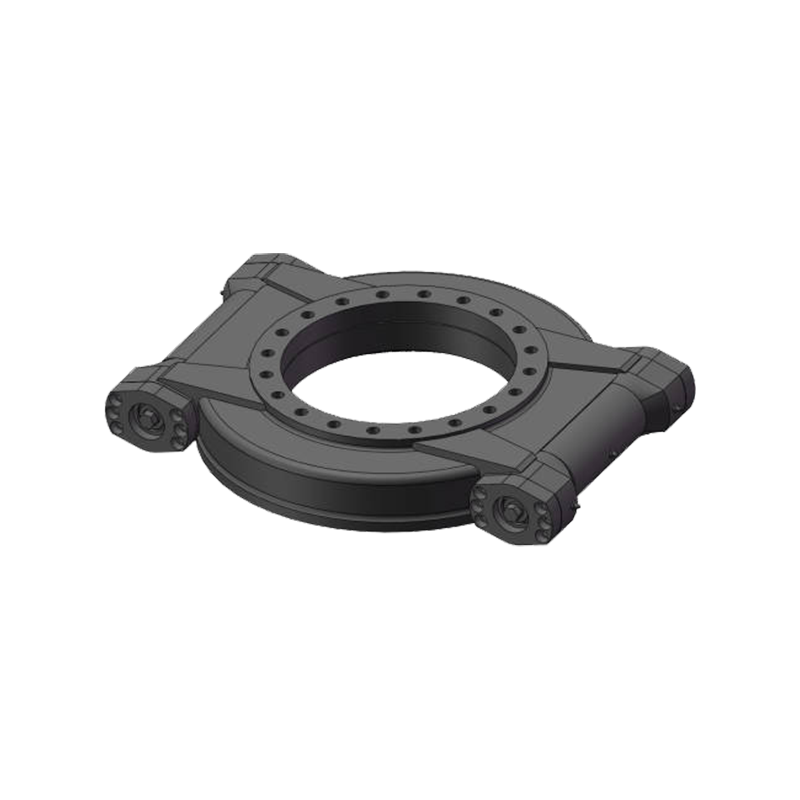
The working principle of a vertical rotary drive unit is based on torque transmission through gear systems, worm drives, or direct drive motors. The system converts electrical or hydraulic energy into controlled rotational motion along a vertical axis.
A key feature is its ability to maintain stable rotation under load. This is achieved through precision bearings, rigid structural housing, and optimized gear engagement that minimizes backlash and energy loss.
Torque Transmission Mechanism
Torque is generated by a motor and transmitted through a reduction gearbox. This allows high input speed to be converted into low-speed, high-torque output suitable for heavy rotational loads.
Load Distribution System
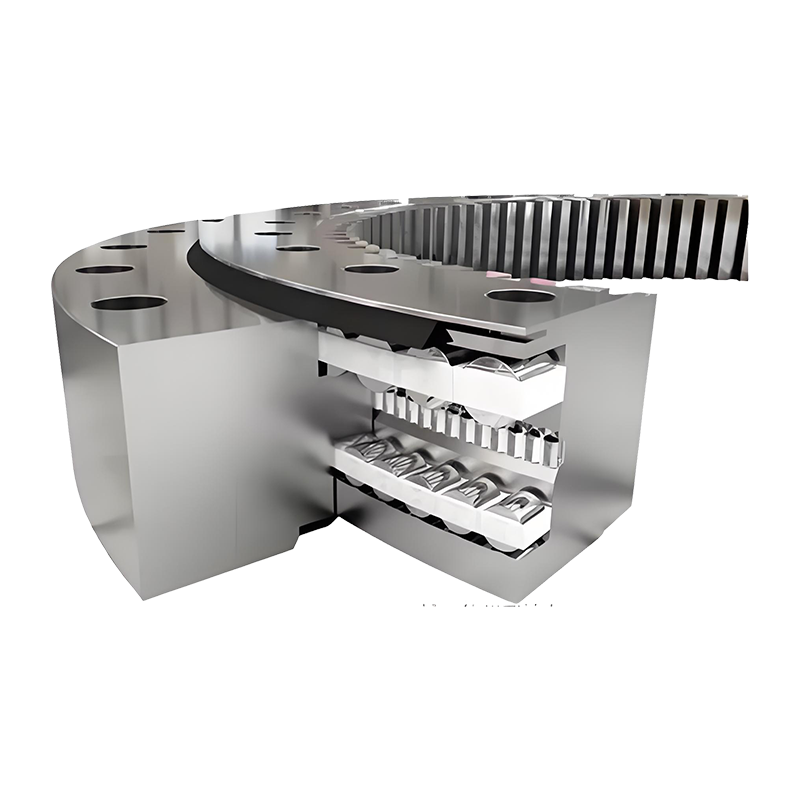
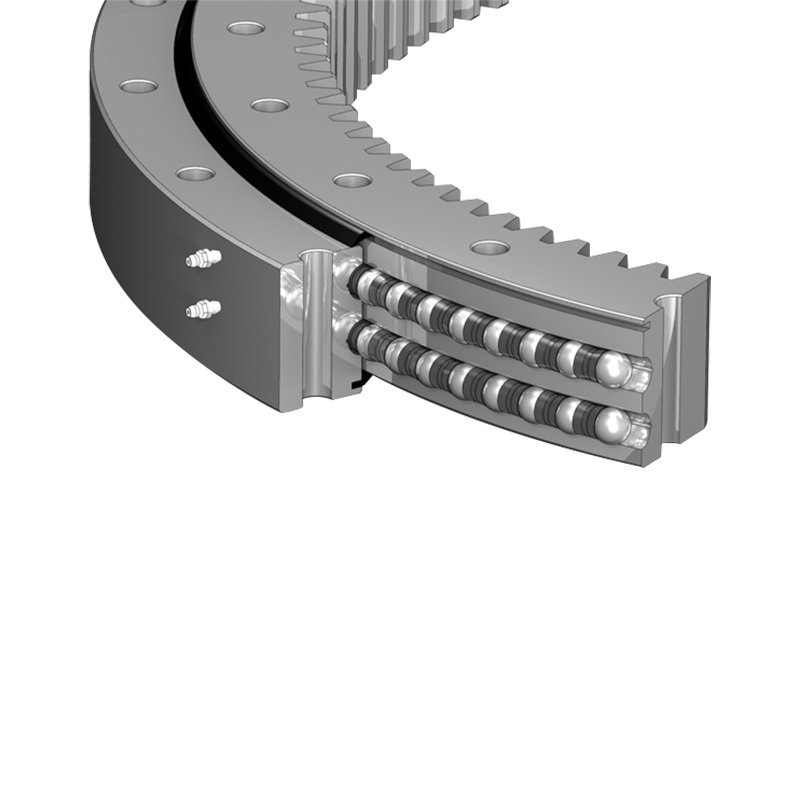
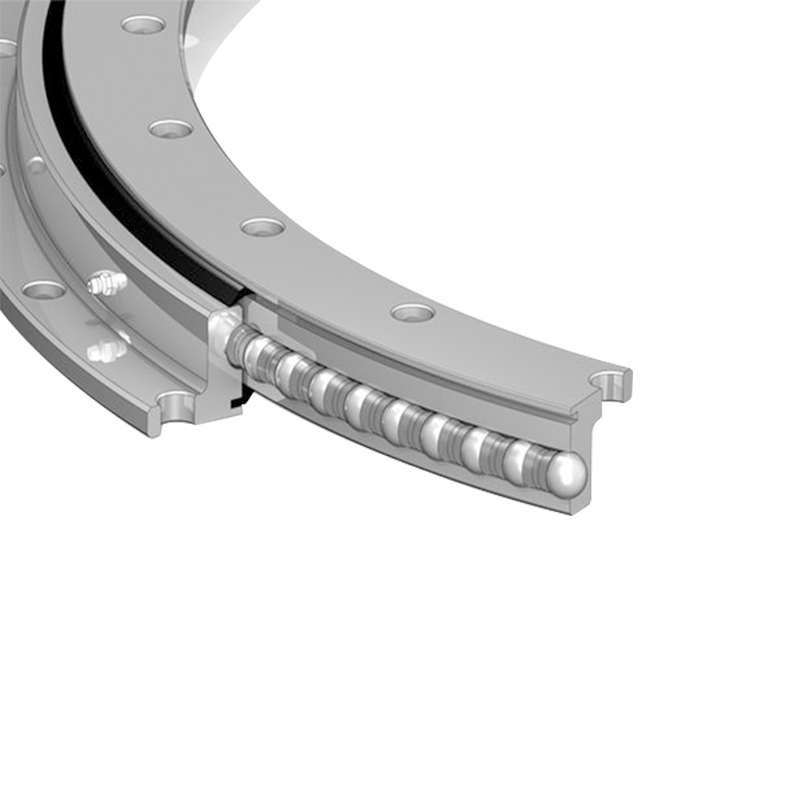
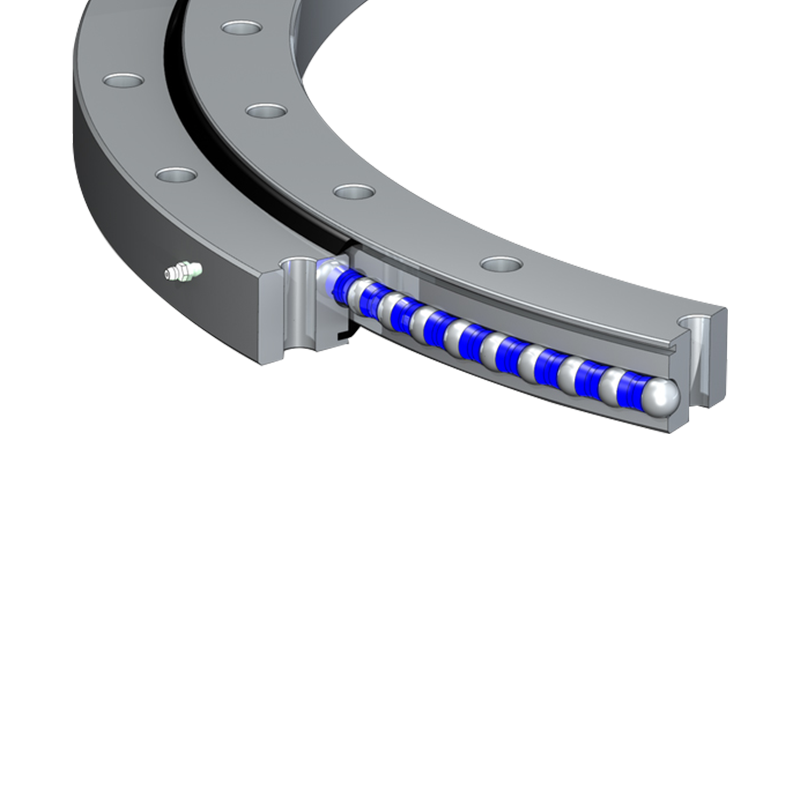
Vertical rotary drives incorporate thrust bearings and radial bearings to distribute loads evenly. This ensures long-term operational stability and reduces wear on internal components.
Key Application Scenarios of Vertical Rotary Drive Units
Vertical rotary drive units are used in a wide range of industrial environments where precise rotational control and load stability are required. Their versatility makes them essential in automation and manufacturing systems.
Industrial Automation Systems
In automated production lines, vertical rotary drives are used for indexing tables, assembly positioning, and material handling systems. They ensure accurate positioning for robotic operations and multi-step manufacturing processes.
Robotics and Motion Control Equipment
Robotic arms and automated manipulators rely on vertical rotary drives for joint movement and payload rotation. High precision and repeatability are essential in these applications.
Packaging and Printing Machinery
Packaging machines use rotary drives for filling, sealing, and labeling operations. In printing systems, they control substrate rotation for precise alignment and continuous processing.
Heavy Equipment and Construction Machinery
Vertical rotary drive units are also used in cranes, excavators, and lifting platforms. They enable controlled rotation of heavy loads while maintaining safety and mechanical stability.
Important Performance Parameters to Consider
Selecting a vertical rotary drive unit requires careful evaluation of performance parameters. These factors directly influence efficiency, durability, and system compatibility.
Torque Output Capacity
Torque is the most critical parameter. The selected unit must be capable of handling maximum load conditions without mechanical strain or overheating.
Rotational Accuracy and Backlash
Precision applications require minimal backlash. High-end systems use precision gear grinding and preloaded bearings to reduce positional error.
Load Capacity (Axial and Radial)
Vertical rotary systems must support both axial loads (vertical force) and radial loads (side force). Proper load rating ensures operational safety and extended lifespan.
Speed Range and Control Stability
Different applications require different speed profiles. Stable low-speed control is especially important for precision assembly and indexing operations.
Selection Criteria for Choosing the Right Drive Unit
Choosing the right vertical rotary drive requires evaluating mechanical, electrical, and environmental factors to ensure compatibility with the application.
Application Load Requirements
Understanding maximum static and dynamic loads is essential. Overloading a drive unit can lead to premature wear or system failure.
Motor Type Compatibility
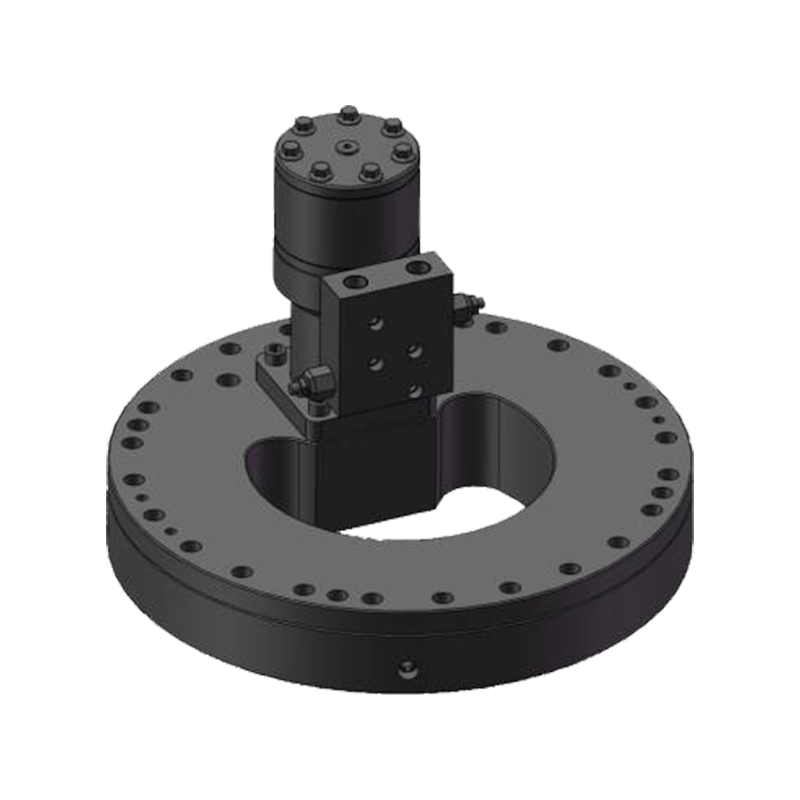
Drive units may be paired with servo motors, stepper motors, or hydraulic systems depending on precision and power requirements.
Environmental Conditions
Operating environments such as high temperature, dust, humidity, or corrosive conditions influence material selection and sealing requirements.
Installation Space and Structural Constraints
Compact designs are preferred when installation space is limited. Structural rigidity must also be considered to avoid vibration and misalignment.
Comparison of Common Vertical Rotary Drive Types
Different types of rotary drive systems offer unique advantages depending on performance requirements and application complexity.
| Type | Drive Mechanism | Precision Level | Load Capacity | Typical Use |
| Worm Gear Rotary Drive | Gear Reduction | Medium | High | Industrial machinery |
| Direct Drive Rotary System | Direct Motor | Very High | Medium | Robotics, precision systems |
| Hydraulic Rotary Drive | Hydraulic Power | Medium | Very High | Heavy equipment |
Common Issues and Engineering Solutions
Vertical rotary drive systems may face operational challenges such as backlash, overheating, or misalignment. Proper engineering design helps mitigate these issues.
Backlash and Positioning Errors
Using precision-ground gears and preloaded bearing systems helps minimize backlash and improve positional accuracy.
Thermal Overload
Excessive heat generation can reduce efficiency. Proper lubrication and thermal management systems are essential to maintain performance stability.
Vibration and Noise
Improper alignment or gear wear can cause vibration. Regular maintenance and precision assembly reduce operational noise and mechanical stress.
Maintenance and Long-Term Reliability
Routine maintenance is essential for ensuring long-term reliability of vertical rotary drive units. This includes lubrication checks, bearing inspection, and alignment calibration.
Preventive maintenance schedules help reduce unexpected downtime and extend equipment lifespan, especially in high-load industrial environments.
Conclusion: Importance of Proper Selection and Application
Vertical rotary drive units play a critical role in modern industrial systems where precision, torque, and load stability are required. Their performance directly impacts production efficiency and system reliability.
Understanding application scenarios and selection criteria ensures that engineers choose the right system for optimal performance, durability, and operational safety.


Jiangsu Manchen Transmission Technology Co., Ltd. excels in creating custom, reliable, and precise slewing bearings for diverse industries, continuously innovating to meet the highest standards and seeking collaborative opportunities. Reliable and steady slewing bearings supplier in China.
Product links
Contact Us
-
Address:No. 8, Nanqiu Road, Huangtu Town, Jiangyin City,China
-
Tel:+86-13646122221
-
Phone:+86-18796936198
-
WhatsApp:+86 18796936198
-
E-mail:hedy@slewingbearingcn.com
-
E-mail:ma@slewingbearingcn.com
-
E-mail:vena@slewingbearingcn.com
