

 EN
EN  English
 русский
 Español
 عربى
عربى

News
 Home / News / Industry news / Single-Row Ball Slewing Bearing vs. Double-Row: Key Differences Explained
 Single-Row Ball Slewing Bearing vs. Double-Row: Key Differences Explained
 2026.01.04
 Industry news
Content
Introduction to Slewing Bearings
Slewing bearings are critical components in machinery that require rotational movement while supporting heavy loads. They are commonly used in cranes, excavators, wind turbines, and other industrial equipment. Among the various types, single-row and double-row ball slewing bearings are widely used due to their load-bearing capabilities and rotational efficiency. Understanding the differences between these two types helps in selecting the right bearing for specific applications.
Structure and Design Differences
The primary difference between single-row and double-row ball slewing bearings lies in their structural design. This affects load capacity, stability, and overall performance.
Single-Row Ball Slewing Bearings
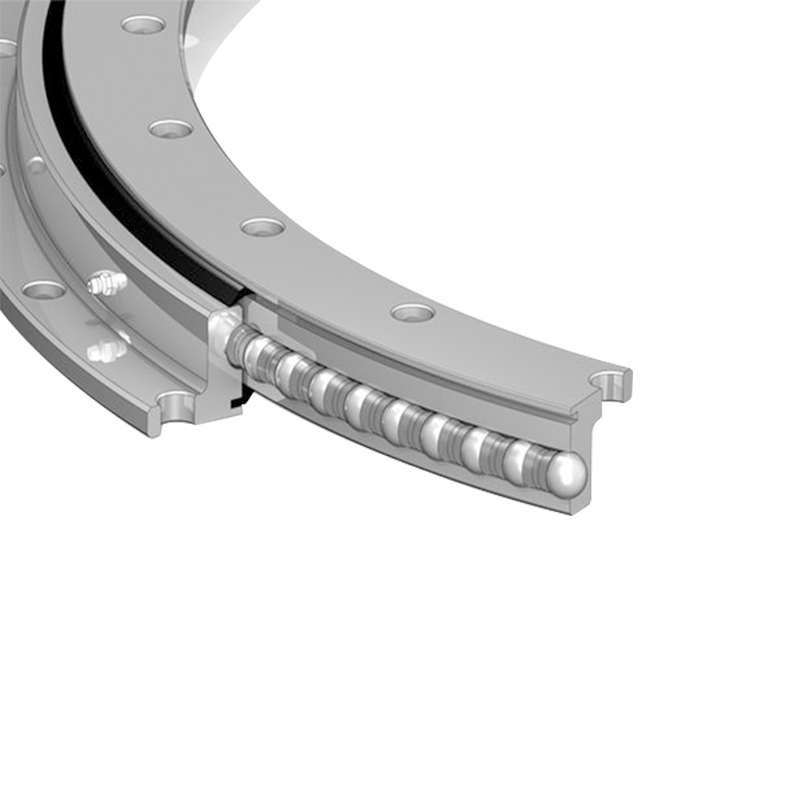
Single-row ball slewing bearings feature one row of balls positioned between the inner and outer rings. They are designed to handle combined axial, radial, and tilting moment loads, making them suitable for applications with moderate load requirements. The compact structure allows for lighter weight and easier installation, which is advantageous in machinery where space is limited.
Double-Row Ball Slewing Bearings
Double-row ball slewing bearings incorporate two rows of balls, which increases the number of contact points and enhances the bearing’s capacity to handle axial and radial loads simultaneously. This design provides greater rigidity and stability, making double-row bearings ideal for heavy-duty applications where higher load capacity and resistance to tilting moments are required.
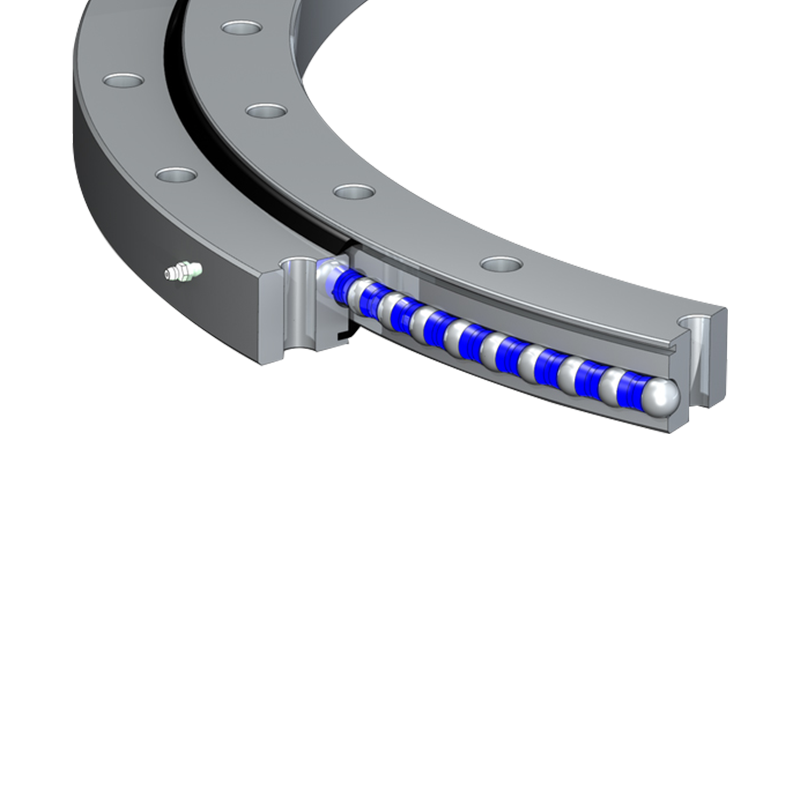
Load Capacity Comparison
Load capacity is a key factor when selecting between single-row and double-row bearings. The differences in design directly influence how much load each bearing can handle.
| Bearing Type | Axial Load Capacity | Radial Load Capacity | Tilting Moment Capacity |
|---|---|---|---|
| Single-Row Ball | Moderate | Moderate | Moderate |
| Double-Row Ball | High | High | High |
Applications and Suitability
The choice between single-row and double-row ball slewing bearings depends largely on application requirements, load conditions, and equipment design constraints.
Applications of Single-Row Ball Slewing Bearings
- Light to medium cranes and excavators
- Medium-duty wind turbines
- Rotary tables and turntables with moderate loads
- Equipment where compact design and reduced weight are essential
Applications of Double-Row Ball Slewing Bearings
- Heavy-duty cranes and construction machinery
- Large-scale wind turbines requiring high load capacity
- Industrial equipment with significant tilting moments
- Applications demanding maximum stability and rigidity
Installation and Maintenance Considerations
Proper installation and regular maintenance are essential to ensure the optimal performance of both single-row and double-row ball slewing bearings. Key considerations include:
- Ensure precise alignment during installation to prevent uneven load distribution.
- Apply manufacturer-recommended lubricants and establish a lubrication schedule.
- Regularly inspect for wear, corrosion, and damage to ensure long-term reliability.
- Monitor operating conditions such as load, speed, and temperature for both bearing types.
Conclusion
Single-row and double-row ball slewing bearings each offer unique advantages based on their structural design and load-bearing capacities. Single-row bearings are compact, lightweight, and suitable for moderate loads, while double-row bearings provide higher load capacity, rigidity, and stability for heavy-duty applications. Understanding these differences helps engineers and manufacturers select the right bearing type, ensuring reliable performance, safety, and longevity of machinery.
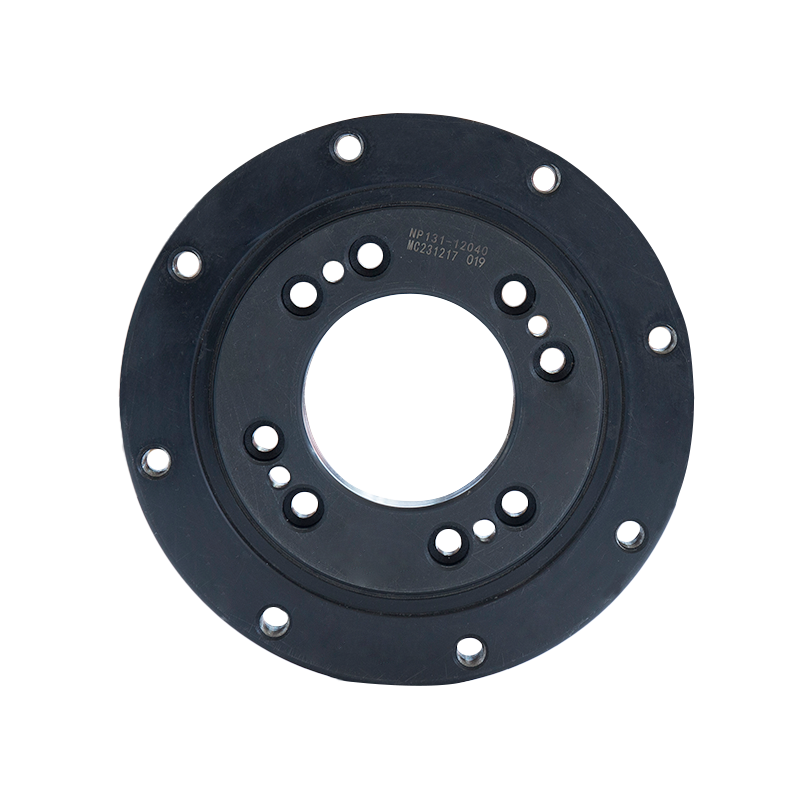
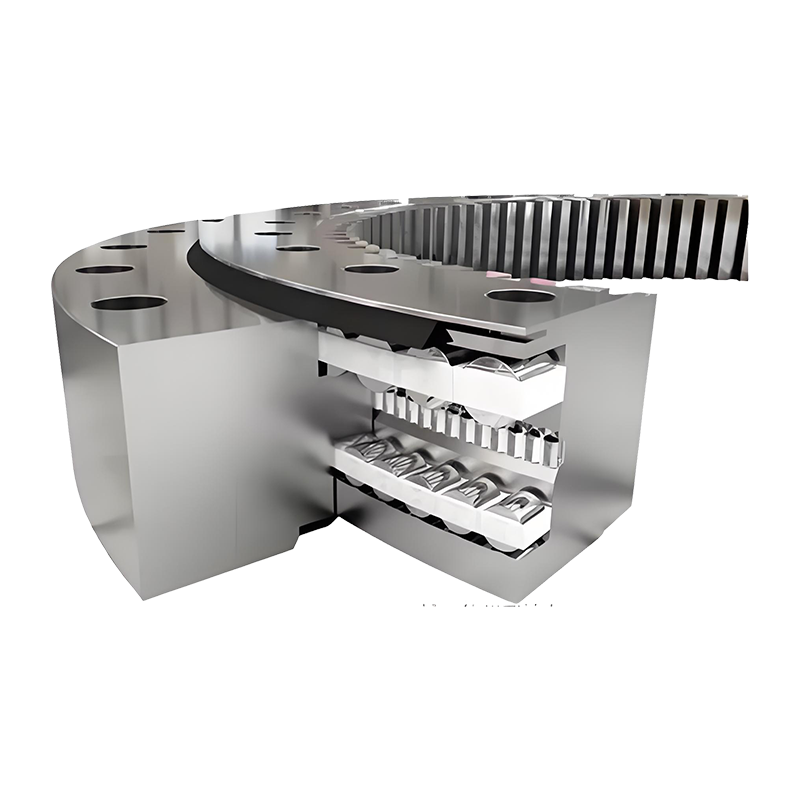
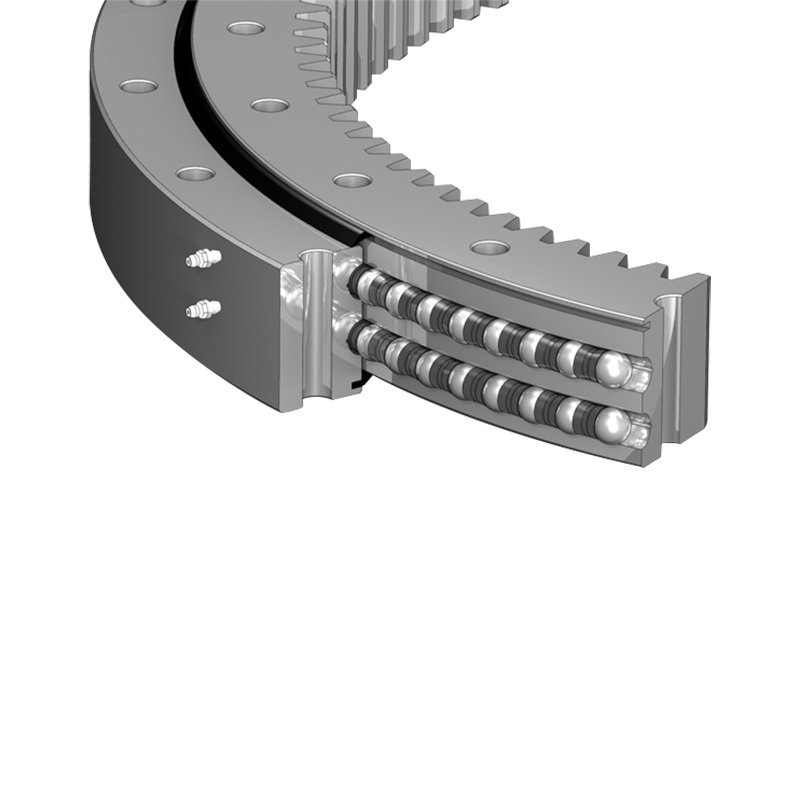


Jiangsu Manchen Transmission Technology Co., Ltd. excels in creating custom, reliable, and precise slewing bearings for diverse industries, continuously innovating to meet the highest standards and seeking collaborative opportunities. Reliable and steady slewing bearings supplier in China.
Product links
Contact Us
-
Address:No. 8, Nanqiu Road, Huangtu Town, Jiangyin City,China
-
Tel:+86-13646122221
-
Phone:+86-18796936198
-
WhatsApp:+86 18796936198
-
E-mail:hedy@slewingbearingcn.com
-
E-mail:ma@slewingbearingcn.com
-
E-mail:vena@slewingbearingcn.com
