

 EN
EN  English
 русский
 Español
 عربى
عربى

News
 Home / News / Industry news / Comparing Vertical Internal Gear Slewing Drives with Other Slewing Drive Types
 Comparing Vertical Internal Gear Slewing Drives with Other Slewing Drive Types
 2025.12.23
 Industry news
Content
Introduction to Slewing Drives
Slewing drives are critical components in industrial machinery, allowing rotational movement and precise positioning under heavy loads. Among the different types, vertical internal gear slewing drives have gained popularity due to their compact design, high torque capacity, and reliability. Comparing them with other slewing drive types helps engineers select the most suitable solution for their applications.
Design Principles of Vertical Internal Gear Slewing Drives
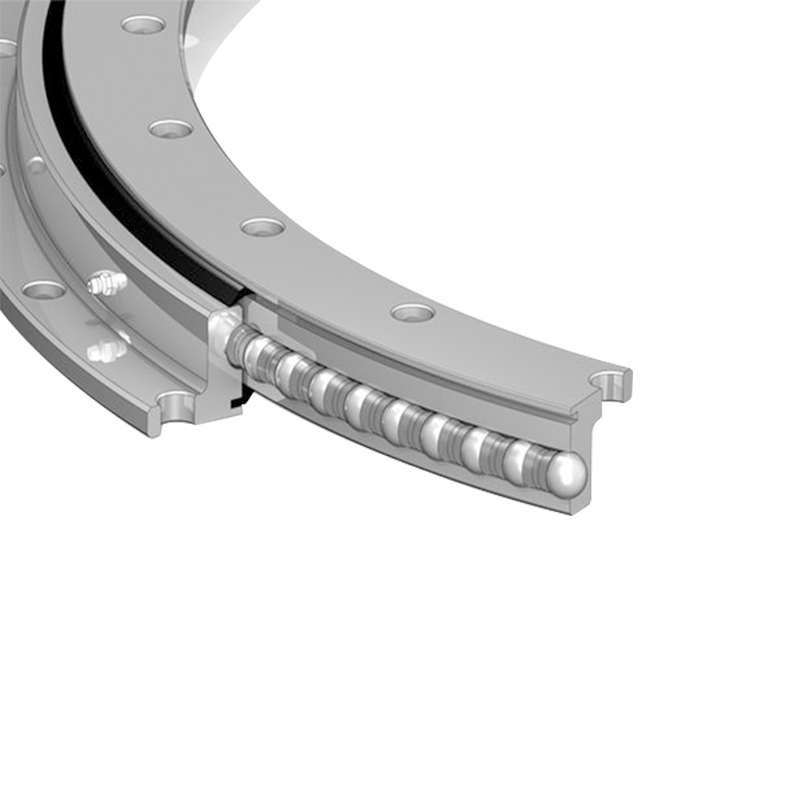
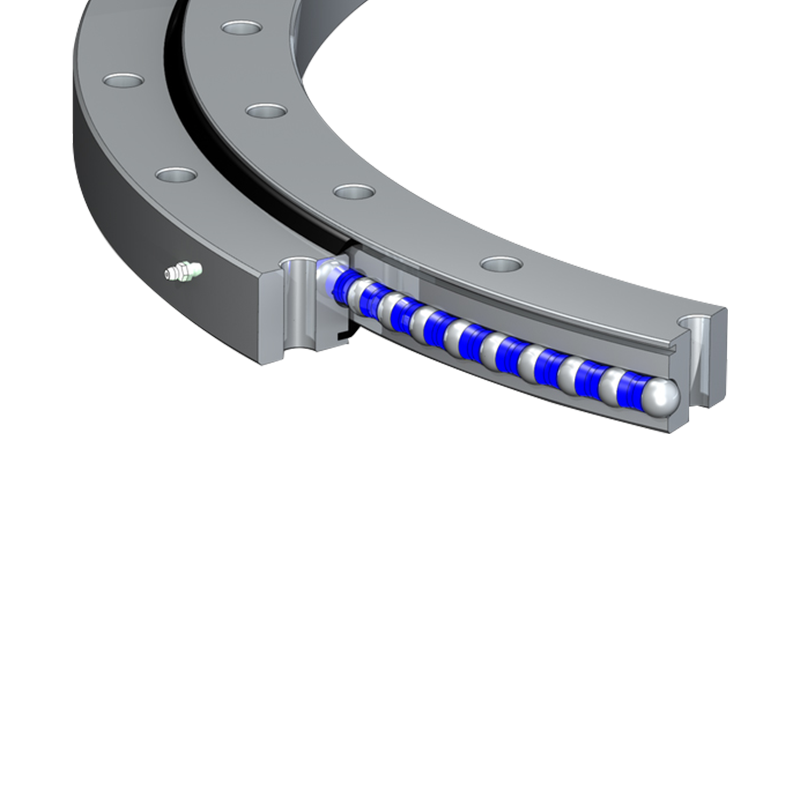
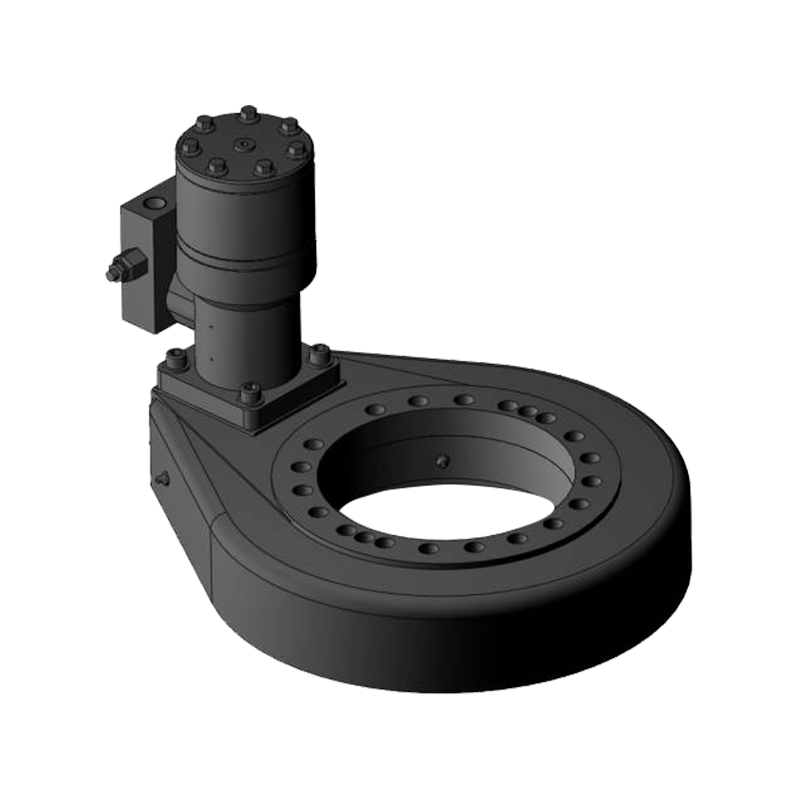
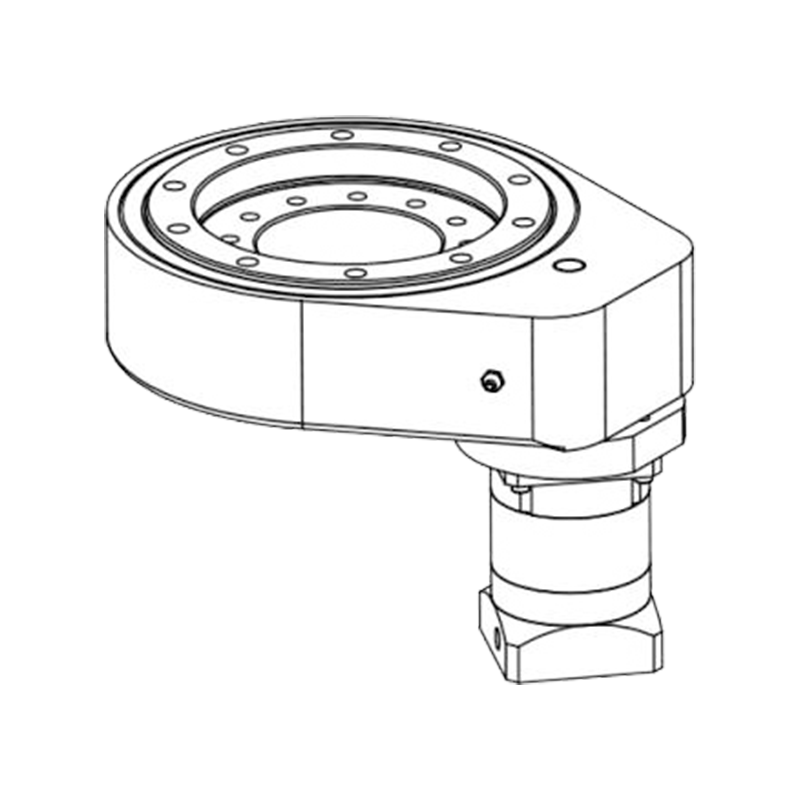
Vertical internal gear slewing drives use an internal ring gear combined with a worm or planetary gear system to transmit torque efficiently. The vertical configuration allows the input shaft to be aligned perpendicularly to the axis of rotation, saving space and simplifying installation in certain machinery. These drives are particularly effective in applications where compactness, high load capacity, and precise positioning are required.
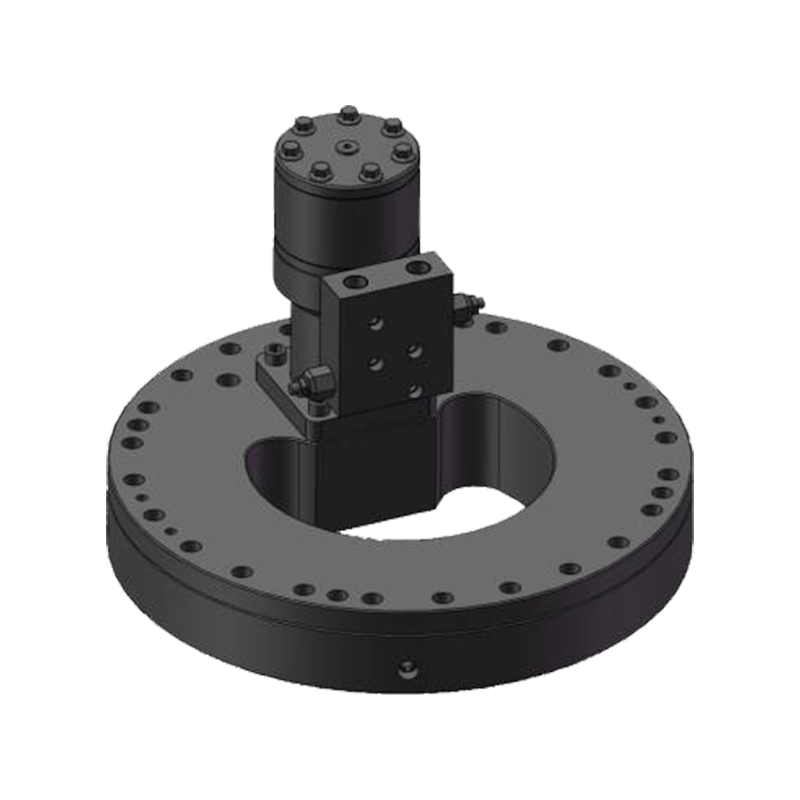
Comparison with Other Slewing Drive Types
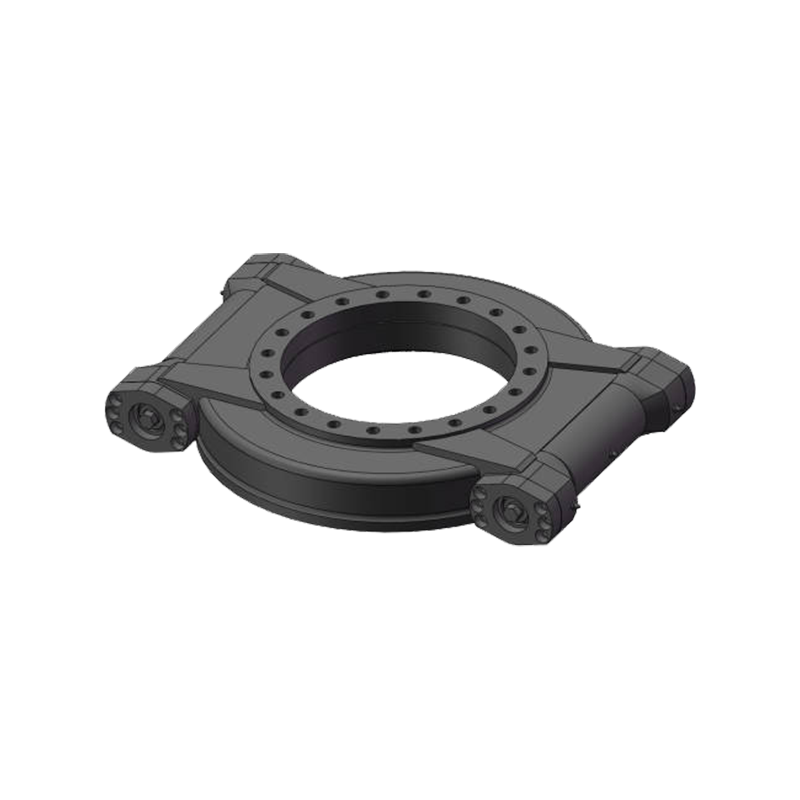
Different slewing drive designs, including external gear, worm, and planetary types, offer unique advantages and limitations. Understanding these differences is essential for selecting the right drive for heavy machinery, construction equipment, and robotic systems.
| Feature | Vertical Internal Gear Slewing Drive | External Gear Slewing Drive | Worm Gear Slewing Drive | Planetary Gear Slewing Drive |
| Torque Capacity | High, suitable for heavy loads | Moderate, depends on gear size | Medium to high, limited by worm efficiency | Very high, efficient torque transmission |
| Compactness | Very compact vertical design | Less compact, requires more installation space | Compact but limited in diameter | Moderate, slightly larger footprint |
| Precision | High, suitable for precise positioning | Moderate, suitable for general rotation | Moderate, less suitable for high-precision tasks | High, excellent for robotic or CNC applications |
| Load Distribution | Evenly distributed across internal gear teeth | Concentrated on external gear teeth | Limited by worm-gear contact | Very even due to planetary arrangement |
| Maintenance | Low, easy to access gears | Moderate, may require more lubrication | Moderate, subject to wear on worm threads | Moderate to high, multiple moving parts |
Applications of Vertical Internal Gear Slewing Drives
Vertical internal gear slewing drives are widely used in cranes, excavators, wind turbines, radar systems, and heavy-duty robotic arms. Their ability to handle high torque loads while maintaining precise rotational control makes them suitable for both static and dynamic industrial applications.
Advantages of Vertical Internal Gear Slewing Drives
- Compact vertical design allows installation in tight spaces.
- High torque capacity supports heavy-load applications.
- Precision positioning reduces wear and improves operational efficiency.
- Even load distribution prolongs gear life and reduces maintenance.
Conclusion
When comparing vertical internal gear slewing drives with external gear, worm, and planetary drives, the choice depends on the specific application requirements. Vertical internal gear drives excel in compact installations, high torque, and precision applications. Understanding these differences allows engineers to optimize performance, reliability, and lifespan in industrial machinery.
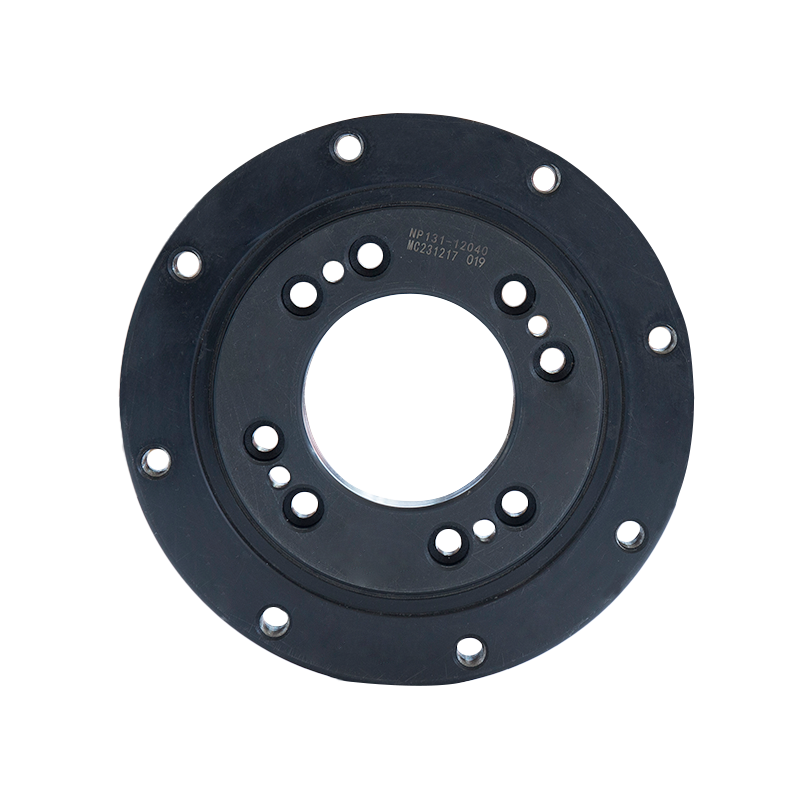
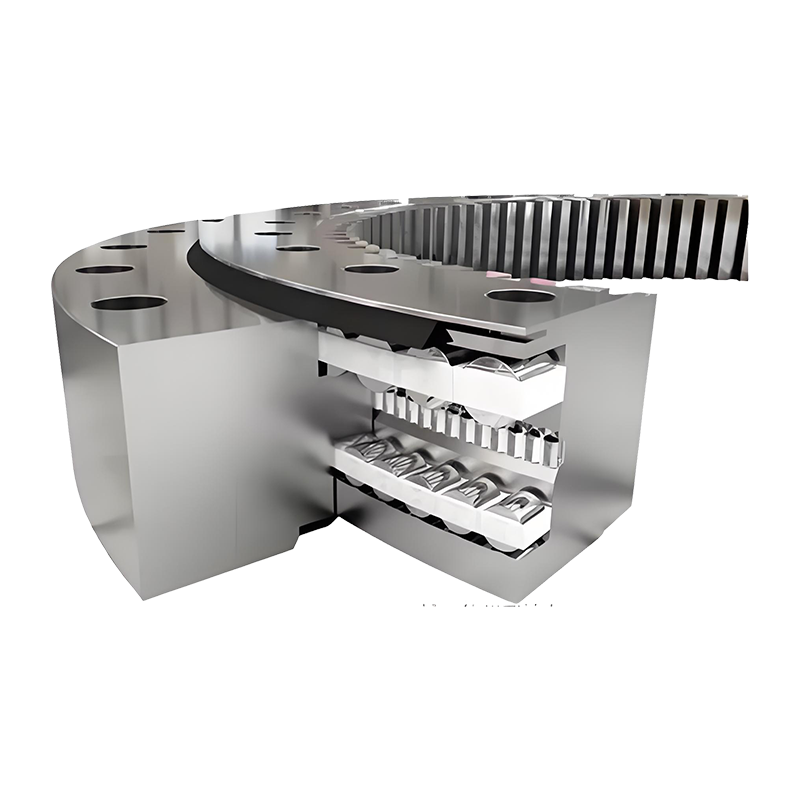
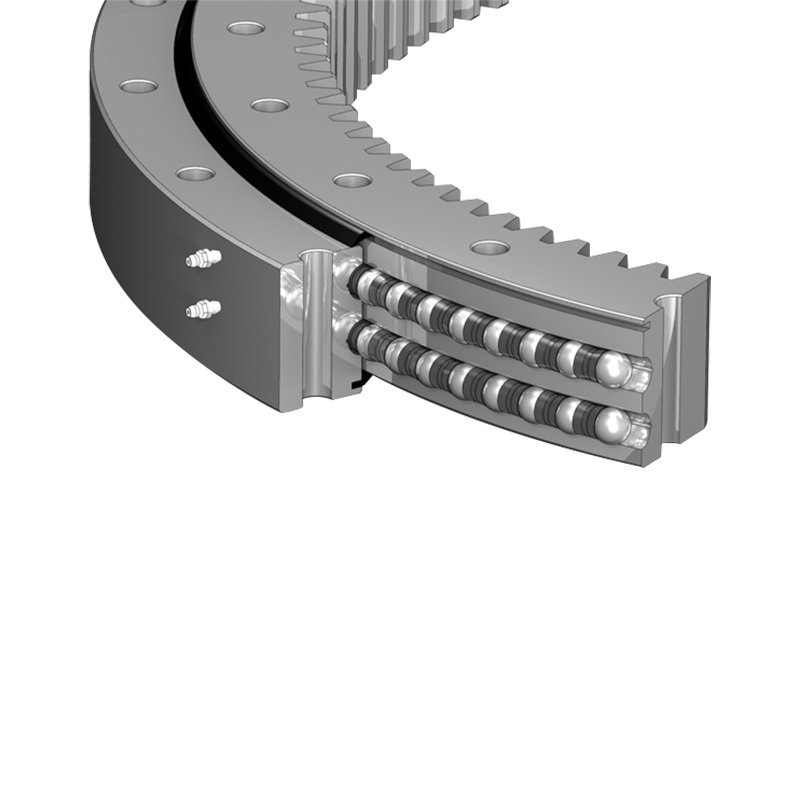


Jiangsu Manchen Transmission Technology Co., Ltd. excels in creating custom, reliable, and precise slewing bearings for diverse industries, continuously innovating to meet the highest standards and seeking collaborative opportunities. Reliable and steady slewing bearings supplier in China.
Product links
Contact Us
-
Address:No. 8, Nanqiu Road, Huangtu Town, Jiangyin City,China
-
Tel:+86-13646122221
-
Phone:+86-18796936198
-
WhatsApp:+86 18796936198
-
E-mail:hedy@slewingbearingcn.com
-
E-mail:ma@slewingbearingcn.com
-
E-mail:vena@slewingbearingcn.com
