

 EN
EN  English
 русский
 Español
 عربى
عربى

News
 Home / News / Industry news / Maintenance Tips for Maximizing the Life of 13 Series Three-Row Roller Slewing Bearings
 Maintenance Tips for Maximizing the Life of 13 Series Three-Row Roller Slewing Bearings
 2026.01.06
 Industry news
Content
- 1 Understanding 13 Series Three-Row Roller Slewing Bearings
- 2 Routine Inspection and Monitoring
- 3 Lubrication Management
- 4 Proper Handling and Installation
- 5 Load Management and Operation
- 6 Environmental Protection and Corrosion Prevention
- 7 Record Keeping and Maintenance Logs
- 8 Troubleshooting Common Issues
- 9 Conclusion
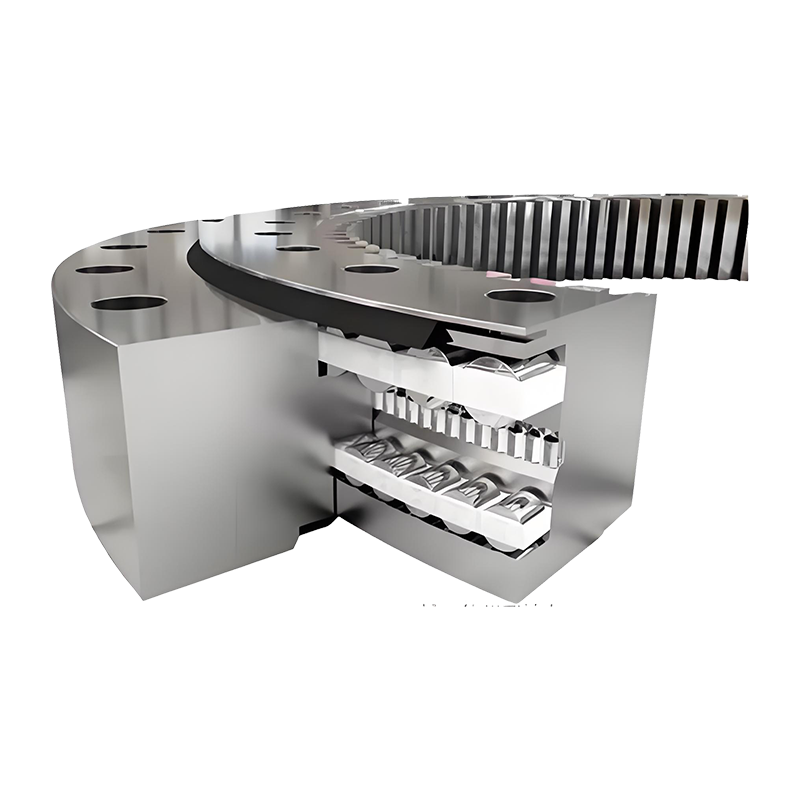
Understanding 13 Series Three-Row Roller Slewing Bearings
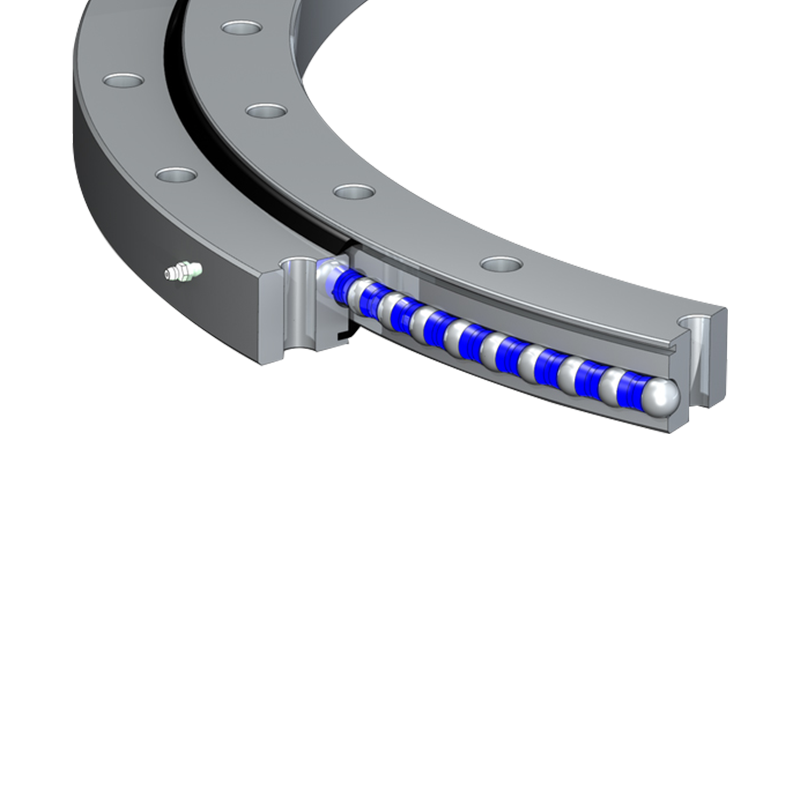
13 Series three-row roller slewing bearings are designed to handle heavy radial, axial, and tilting moment loads simultaneously. Their robust construction and high load capacity make them widely used in cranes, wind turbines, and large construction equipment. Understanding the structural features and operational principles of these bearings is the first step in ensuring proper maintenance and maximizing service life.
Routine Inspection and Monitoring
Regular inspections are essential for identifying potential issues before they escalate into serious damage. Monitoring should include checking for unusual noise, vibration, and temperature fluctuations, which often indicate lubrication problems, misalignment, or wear.
- Visual inspection of the bearing surfaces for cracks, corrosion, or deformation.
- Checking bolt torque to confirm that the slewing bearing is securely fastened.
- Monitoring operating temperature and comparing it to manufacturer specifications.
- Using vibration analysis tools to detect early-stage bearing wear or misalignment.
Lubrication Management
Proper lubrication is crucial to reduce friction, prevent corrosion, and minimize wear. The 13 Series three-row roller slewing bearings require careful attention to lubricant type, quantity, and frequency.
Selecting the Right Lubricant
Use high-quality grease or oil recommended by the manufacturer. The lubricant must maintain its properties under heavy load and varying temperatures. Synthetic greases often provide superior performance for extreme conditions.
Lubrication Schedule
Establish a lubrication schedule based on operating hours and environmental conditions:
- Heavy-duty applications: lubricate every 100–200 operating hours.
- Normal-duty applications: lubricate every 300–500 operating hours.
- Harsh environments (dust, moisture, high temperature): increase lubrication frequency accordingly.
Proper Handling and Installation
Incorrect handling or installation can significantly reduce the lifespan of slewing bearings. Attention to detail during these processes ensures long-term reliability.
- Use lifting equipment designed for heavy loads to avoid damaging the bearing raceways or rollers.
- Align mounting holes accurately to prevent uneven load distribution.
- Apply uniform torque to all bolts following the manufacturer’s recommended pattern and sequence.
- Check for proper backlash and axial clearance after installation.
Load Management and Operation
Overloading or uneven loading accelerates wear and can cause premature failure. Maintaining operational discipline helps prolong bearing life.
- Operate within the specified load ratings provided by the manufacturer.
- Minimize sudden shocks or impacts, especially during lifting or rotating operations.
- Ensure that loads are evenly distributed across the bearing surface.
- Regularly inspect supporting structures for deformation that could affect load alignment.
Environmental Protection and Corrosion Prevention
Environmental factors such as moisture, dust, and chemicals can compromise the bearing’s integrity. Protecting the bearing from these hazards is essential.
- Install protective covers or seals to prevent contamination.
- Use anti-corrosion coatings on exposed metal surfaces.
- Regularly clean the bearing exterior and remove any accumulated debris.
- Monitor for rust formation and address immediately with appropriate treatments.
Record Keeping and Maintenance Logs
Maintaining accurate records of inspections, lubrication, and repairs allows for trend analysis and early detection of potential issues.
- Document all maintenance activities, including dates, types of lubricant used, and torque measurements.
- Record any abnormal observations such as unusual noise or vibration.
- Use logs to schedule preventative maintenance and predict replacement intervals.
Troubleshooting Common Issues
Even with proper maintenance, issues may occur. Understanding common problems and solutions helps reduce downtime.
| Issue | Possible Cause | Recommended Action |
| Excessive noise | Insufficient lubrication or contamination | Re-lubricate and clean bearing, check for debris |
| Vibration during rotation | Misalignment or uneven load | Check alignment and load distribution |
| Overheating | High friction due to insufficient lubrication | Increase lubrication frequency and verify lubricant type |
Conclusion
Maximizing the lifespan of 13 Series three-row roller slewing bearings requires a combination of careful installation, regular inspection, proper lubrication, load management, and environmental protection. Following these detailed maintenance practices ensures reliable performance, minimizes downtime, and extends the service life of these critical components in heavy-duty machinery.
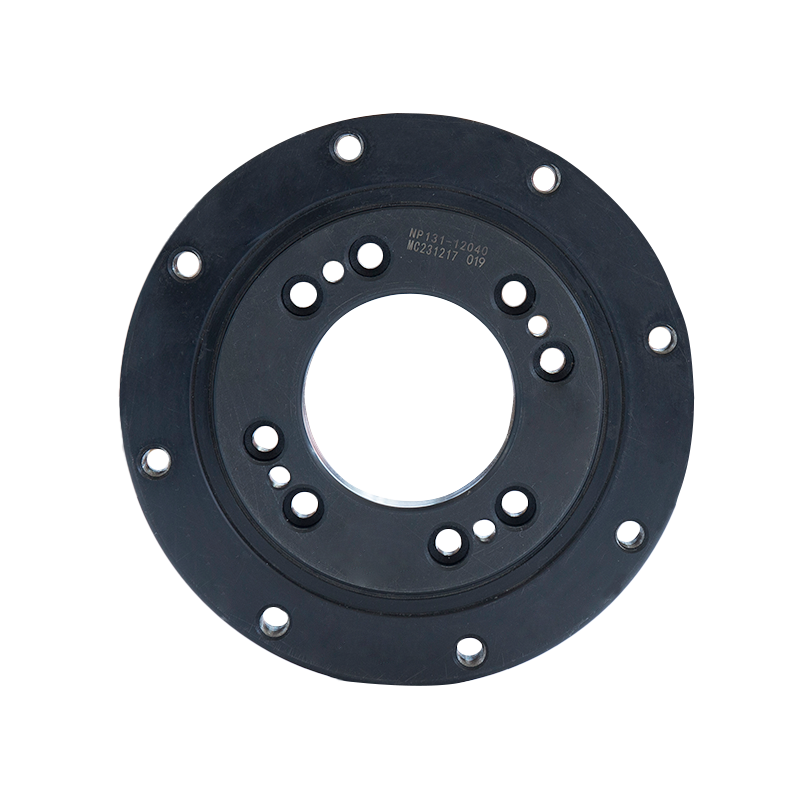

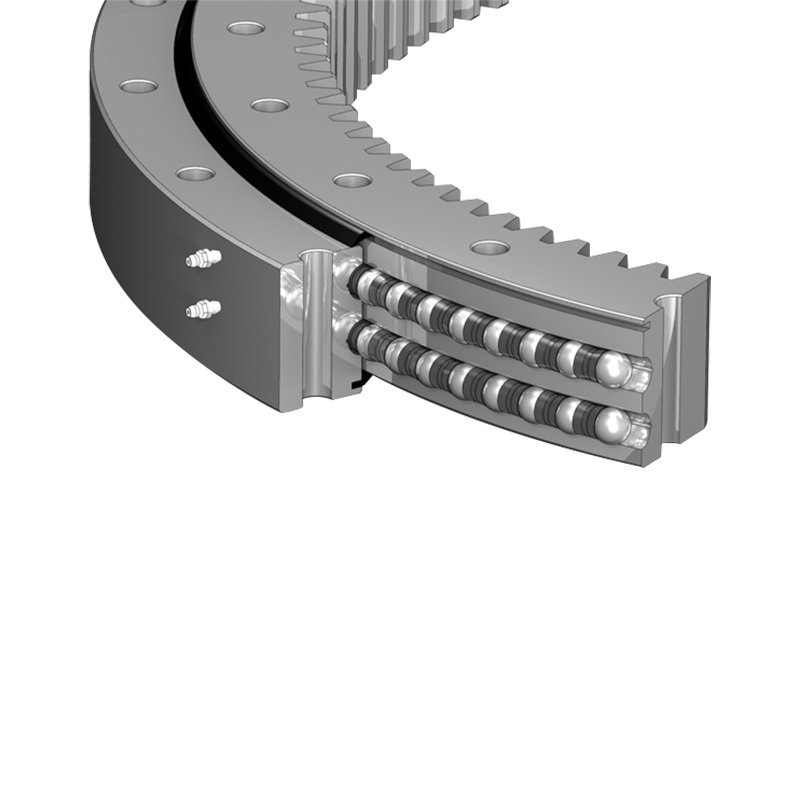
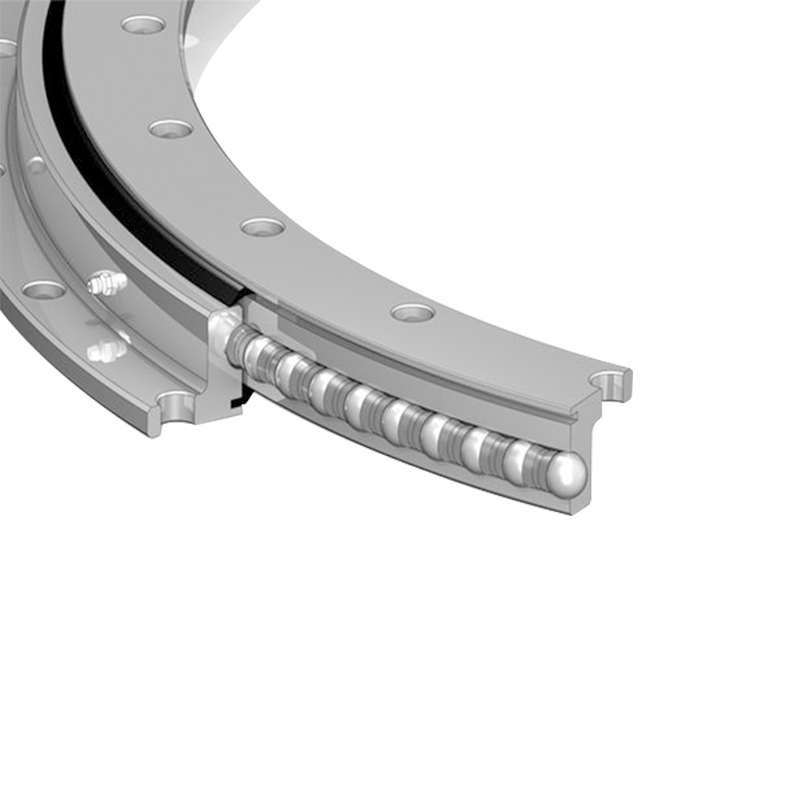
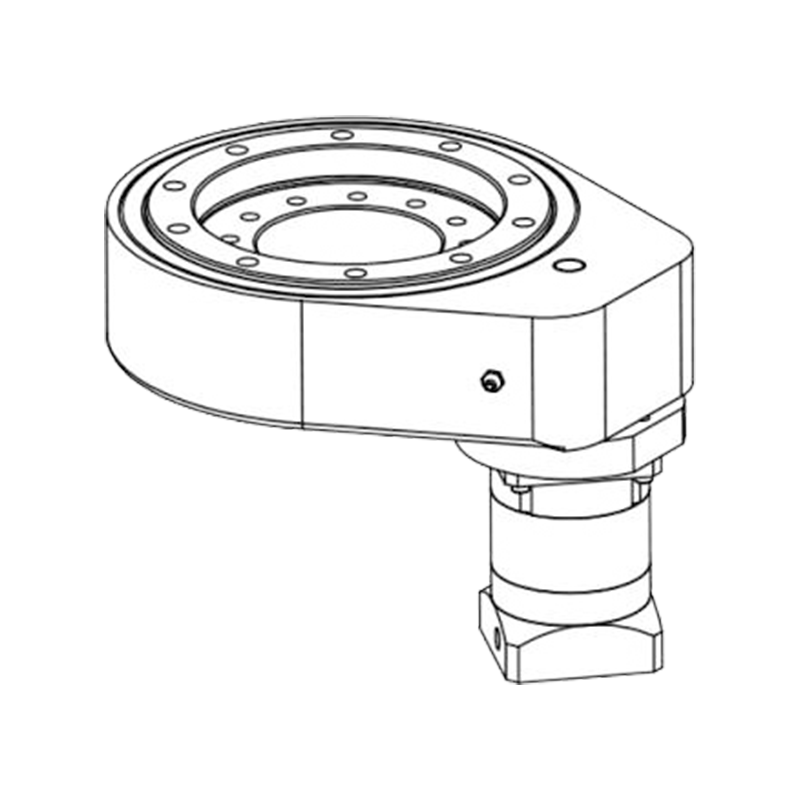

Jiangsu Manchen Transmission Technology Co., Ltd. excels in creating custom, reliable, and precise slewing bearings for diverse industries, continuously innovating to meet the highest standards and seeking collaborative opportunities. Reliable and steady slewing bearings supplier in China.
Product links
Contact Us
-
Address:No. 8, Nanqiu Road, Huangtu Town, Jiangyin City,China
-
Tel:+86-13646122221
-
Phone:+86-18796936198
-
WhatsApp:+86 18796936198
-
E-mail:hedy@slewingbearingcn.com
-
E-mail:ma@slewingbearingcn.com
-
E-mail:vena@slewingbearingcn.com
