

 EN
EN  English
 русский
 Español
 عربى
عربى

News
 Home / News / Industry news / How L-Type Single Row Ball Slewing Bearings Handle Axial and Radial Loads
 How L-Type Single Row Ball Slewing Bearings Handle Axial and Radial Loads
 2026.01.14
 Industry news
Content
Understanding Axial and Radial Loads in L-Type Single Row Ball Slewing Bearings
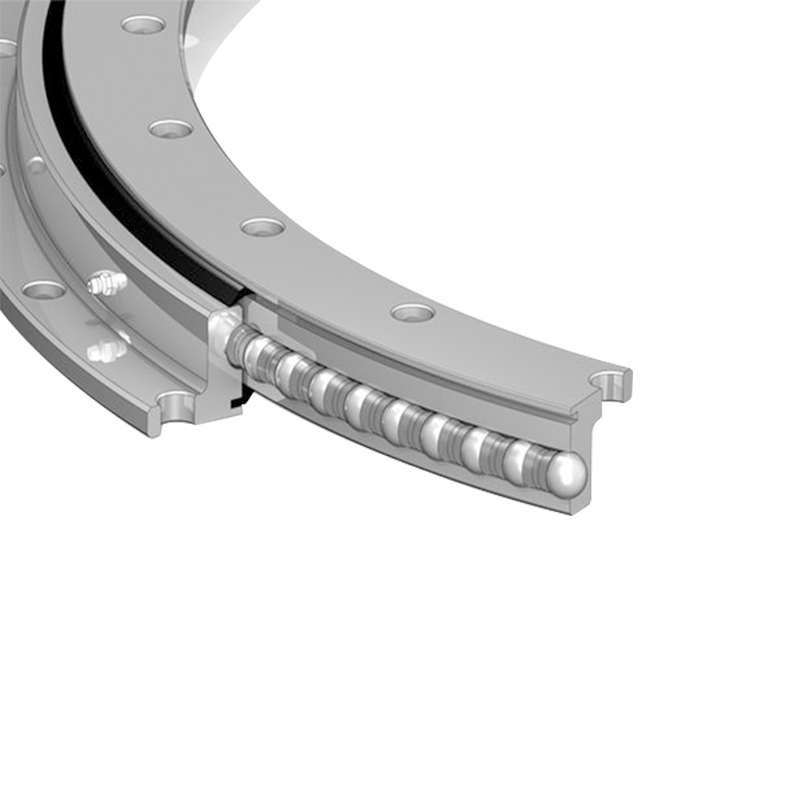
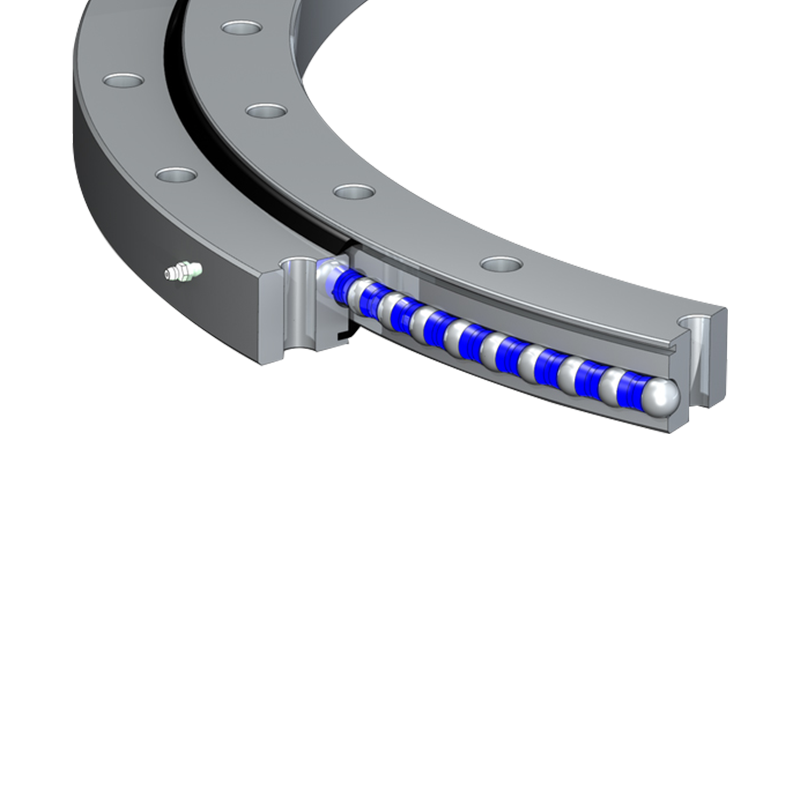
L-Type single row ball slewing bearings are widely used in applications requiring smooth rotation under combined loading conditions. These bearings are specifically designed to handle axial loads (parallel to the axis of rotation) and radial loads (perpendicular to the axis) simultaneously, as well as tilting moments. Understanding how these loads are distributed and supported within the bearing structure is crucial for proper selection, installation, and maintenance.
Bearing Structure and Load Distribution
The L-type design refers to a single row of balls running in a raceway with a specific contact angle, usually between 45° and 60°. This contact angle enables the bearing to carry both axial and radial loads effectively. Axial loads are transmitted through the vertical component of the ball contact, while radial loads are supported by the horizontal component. The combination of these components allows the bearing to manage tilting moments, which are common in cranes, turntables, and construction equipment.
Axial Load Handling
Axial loads are exerted along the rotation axis of the bearing. In L-type single row ball slewing bearings, the load is shared between the balls in contact with the inner and outer raceways. The load distribution depends on the contact angle and the number of balls in the load path. Bearings with larger diameters or more balls in the contact line can support higher axial loads without excessive deformation or wear.
Radial Load Handling
Radial loads act perpendicular to the axis of rotation. The balls in the raceway absorb this load and transfer it evenly to the bearing rings. The L-type design ensures that radial forces are distributed over multiple contact points, reducing stress on individual balls and raceways. Proper lubrication and precise machining further enhance radial load capacity and reduce friction during rotation.
Tilting Moment and Combined Load Management
L-Type single row ball slewing bearings are frequently subjected to combined loading scenarios where axial, radial, and tilting moment loads occur simultaneously. The bearing's geometry, including the ball diameter, contact angle, and raceway curvature, determines how these forces are shared among the balls. The tilting moment generates additional stress on balls at the periphery of the contact line, so bearings are often over-dimensioned to accommodate expected moment loads without compromising service life.
Load Distribution Across the Raceways
The outer and inner raceways of an L-type bearing are designed to maintain optimal contact with the balls under combined loads. Axial and radial loads create varying stress patterns that are balanced by the raceway profiles. Proper installation, including uniform bolt tightening and alignment, ensures that load distribution remains within design limits.
Factors Affecting Load Capacity
Several factors influence the ability of L-type single row ball slewing bearings to handle axial and radial loads effectively. These include bearing diameter, ball size, contact angle, material hardness, lubrication, and mounting precision. Understanding these factors allows engineers to select the appropriate bearing for specific applications, ensuring durability and performance.
- Larger diameter bearings distribute loads across more balls, increasing capacity.
- Higher contact angles improve axial load support but may reduce radial capacity slightly.
- High-quality steel and precision machining enhance load distribution and reduce wear.
- Adequate lubrication minimizes friction and prevents localized stress concentration.
Comparing Axial and Radial Load Ratings
Manufacturers provide separate axial and radial load ratings for L-type single row ball slewing bearings. While axial loads depend on the vertical component of the contact force, radial loads relate to horizontal components. When designing a system, both ratings must be considered along with expected tilting moments to prevent overloading and premature failure.
| Load Type | Primary Component | Influencing Factors |
| Axial Load | Vertical component of ball contact | Contact angle, ball diameter, number of balls in contact |
| Radial Load | Horizontal component of ball contact | Ball spacing, raceway curvature, lubrication |
| Tilting Moment | Peripheral ball stress | Bearing diameter, ball arrangement, load distribution |
Ensuring Optimal Performance Under Combined Loads
Proper installation, regular lubrication, and monitoring of axial and radial load limits are critical for maintaining L-type single row ball slewing bearing performance. Understanding the interaction between axial, radial, and tilting moment loads allows engineers to design more reliable machines, minimize wear, and extend service life in demanding rotational applications.

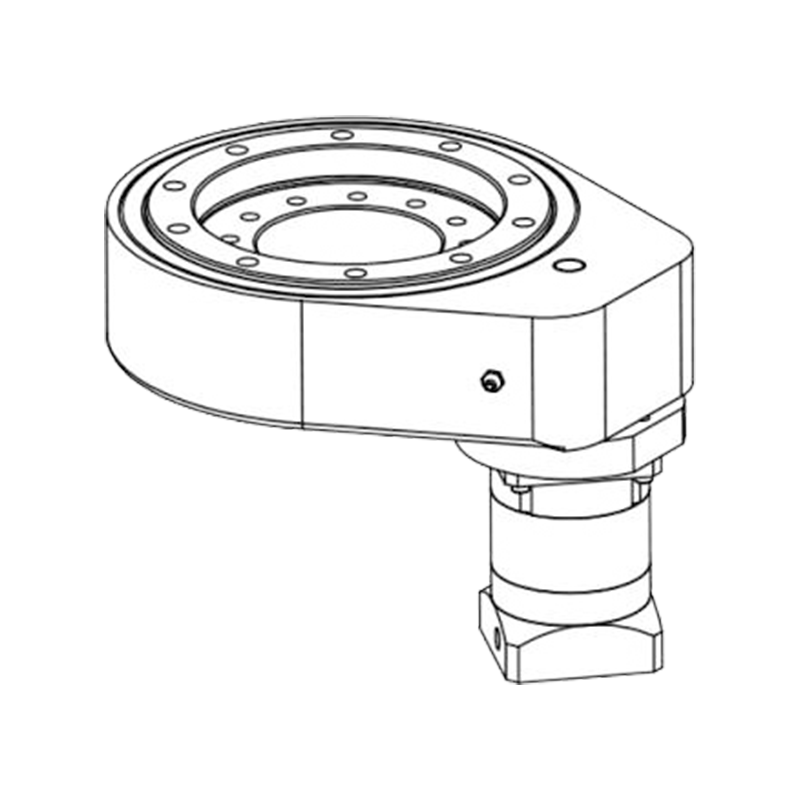

Jiangsu Manchen Transmission Technology Co., Ltd. excels in creating custom, reliable, and precise slewing bearings for diverse industries, continuously innovating to meet the highest standards and seeking collaborative opportunities. Reliable and steady slewing bearings supplier in China.
Product links
Contact Us
-
Address:No. 8, Nanqiu Road, Huangtu Town, Jiangyin City,China
-
Tel:+86-13646122221
-
Phone:+86-18796936198
-
WhatsApp:+86 18796936198
-
E-mail:hedy@slewingbearingcn.com
-
E-mail:ma@slewingbearingcn.com
-
E-mail:vena@slewingbearingcn.com
