

 EN
EN  English
 русский
 Español
 عربى
عربى

News

Why Hollow Rotary Platforms Are Used in Compact Automation Equipment
 2026.01.20
 Industry news
Content
Introduction to Hollow Rotary Platforms
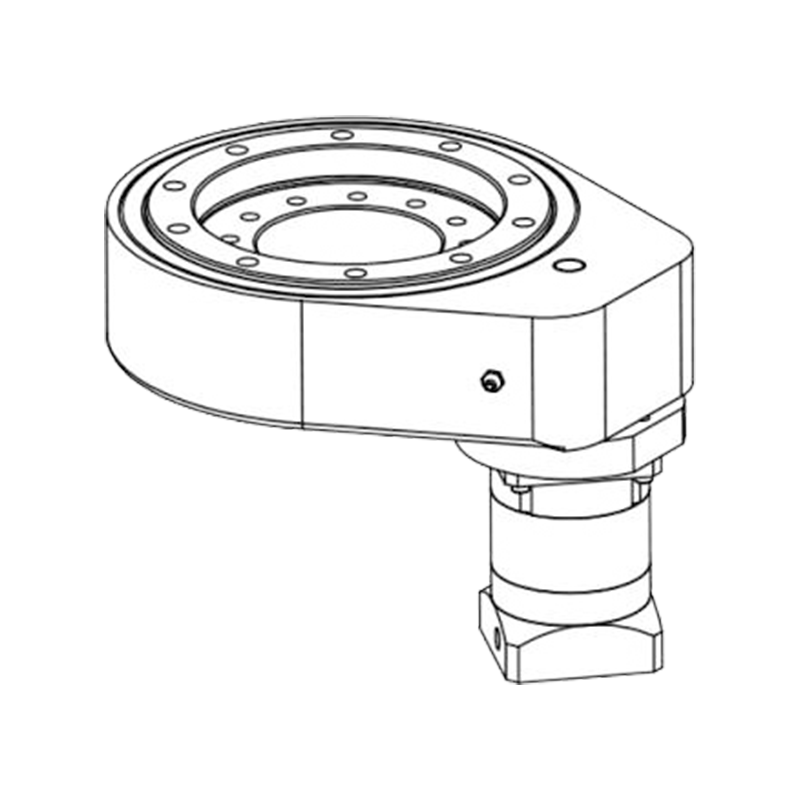
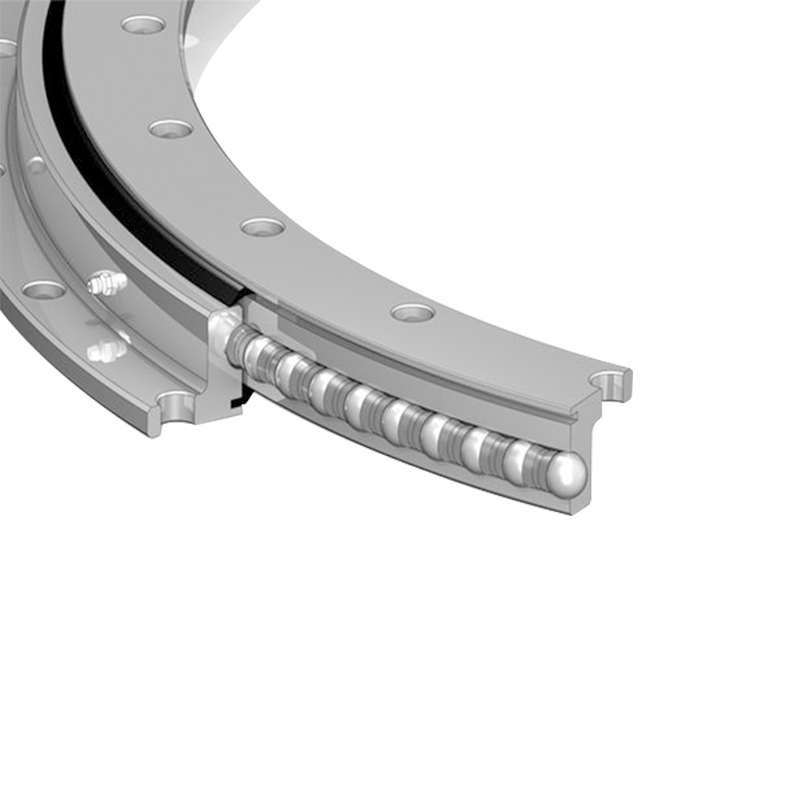
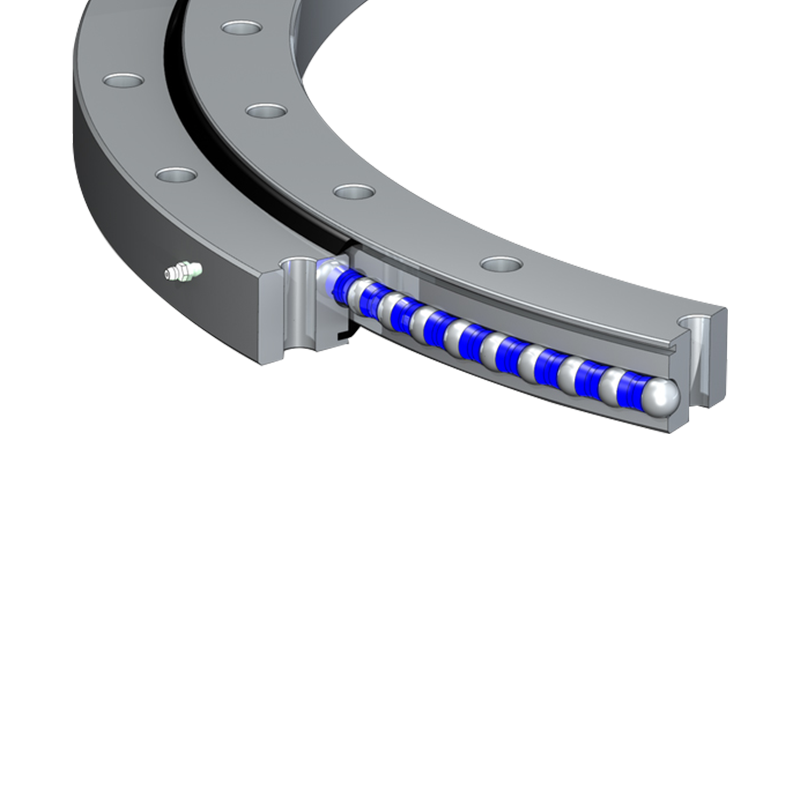
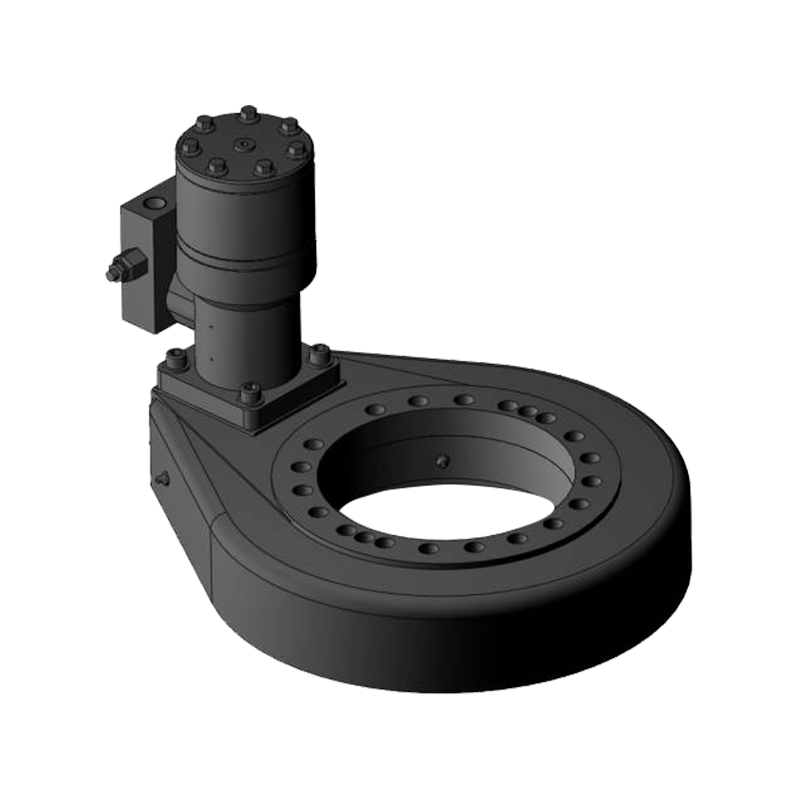
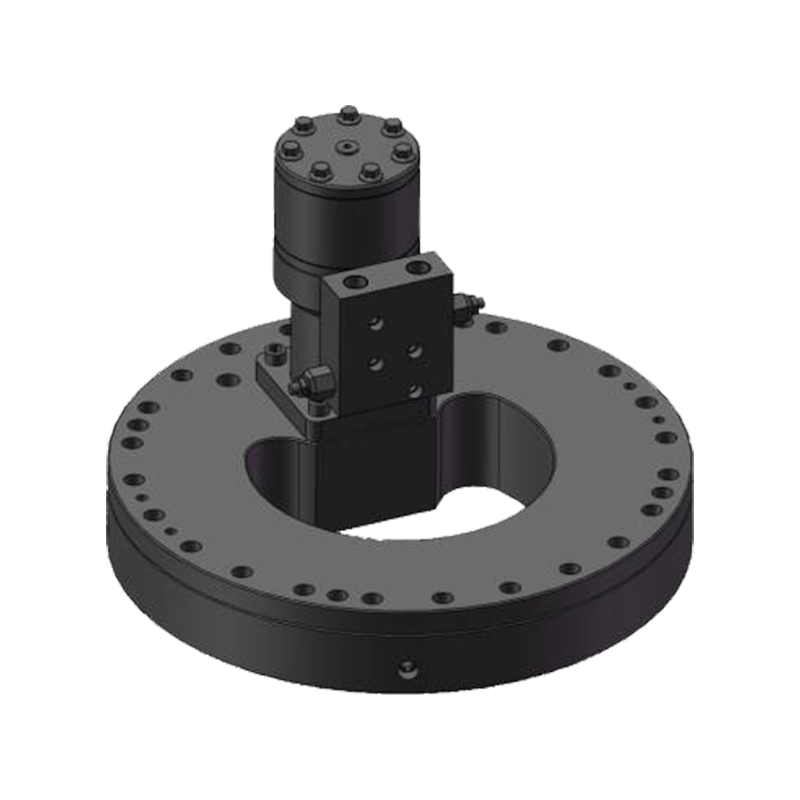
Hollow rotary platforms are precision rotational devices designed with a central hollow shaft that allows cables, hoses, or pneumatic lines to pass through the platform while it rotates. They are widely used in compact automation equipment where space is limited, and efficient cable management and precise rotational motion are critical. These platforms provide both structural support and motion control, enabling compact machinery to operate with higher efficiency and reliability.
Key Features of Hollow Rotary Platforms
The unique design of hollow rotary platforms combines mechanical stability with practical integration features. Their compact form factor and hollow shaft structure distinguish them from traditional rotary tables, making them ideal for modern automation applications.
Central Hollow Shaft for Cable Management
The central hollow shaft is a defining feature of these platforms. It allows electrical cables, pneumatic hoses, or fluid lines to pass through the rotating axis without twisting or tangling. This ensures continuous operation and reduces maintenance requirements, which is especially important in compact automation equipment with multiple moving axes.
Compact and Space-Saving Design
Hollow rotary platforms are designed to maximize functionality within a limited footprint. The integrated hollow shaft eliminates the need for external cable routing systems, allowing engineers to create more compact and streamlined automation systems without sacrificing performance or accessibility.
High-Precision Rotation
Despite their compact size, hollow rotary platforms deliver precise rotational motion with minimal backlash. This makes them suitable for high-accuracy tasks such as pick-and-place operations, inspection systems, and multi-axis robotic applications, where precise positioning is critical to maintaining product quality and efficiency.
Advantages in Compact Automation Equipment
Hollow rotary platforms offer several advantages that make them particularly useful in compact automation equipment. These benefits relate to space efficiency, cable management, and operational reliability.
- Efficient Cable Routing: The hollow shaft allows internal passage of cables and hoses, preventing tangling and wear.
- Space Optimization: Reduces the need for external cable management systems, allowing more compact machinery layouts.
- Improved Maintenance: Internal cable routing reduces mechanical strain and potential damage, lowering maintenance frequency.
- Enhanced Accuracy: Precision bearings and low-backlash design enable reliable positioning in high-speed or high-torque applications.
- Versatile Integration: Suitable for robotics, inspection systems, conveyor indexing, and other compact automated equipment.
Applications of Hollow Rotary Platforms in Automation
Hollow rotary platforms are employed across a variety of compact automation scenarios where rotation, space efficiency, and cable management are essential. Common applications include assembly lines, packaging systems, and robotic workstations.
| Application | Function |
| Robotic Arms | Provides precise rotation while routing power and signal cables internally |
| Inspection Systems | Supports high-accuracy indexing of cameras or sensors |
| Packaging Equipment | Enables rotating platforms for product handling with integrated pneumatic lines |
Factors to Consider When Selecting a Hollow Rotary Platform
Choosing the right hollow rotary platform requires careful consideration of mechanical, spatial, and operational parameters to ensure optimal performance in compact automation systems.
- Load Capacity: Ensure the platform can support the weight of the payload without excessive deflection.
- Rotation Accuracy: Verify low-backlash or direct-drive precision for applications requiring exact positioning.
- Hollow Shaft Diameter: Must accommodate the required cables or hoses while maintaining structural rigidity.
- Speed and Torque Requirements: Match motor and drive systems with platform performance specifications.
- Integration Space: Confirm the platform fits within the compact footprint of the automation equipment.
Conclusion
Hollow rotary platforms are essential components for compact automation equipment, offering precise rotation, internal cable management, and space-saving design. By integrating these platforms, engineers can achieve higher efficiency, reduce maintenance, and maintain system reliability in robotic, inspection, and packaging applications. Their combination of hollow shaft design, high accuracy, and compact form factor makes them a preferred choice in modern automation systems.


Jiangsu Manchen Transmission Technology Co., Ltd. excels in creating custom, reliable, and precise slewing bearings for diverse industries, continuously innovating to meet the highest standards and seeking collaborative opportunities. Reliable and steady slewing bearings supplier in China.
Product links
Contact Us
-
Address:No. 8, Nanqiu Road, Huangtu Town, Jiangyin City,China
-
Tel:+86-13646122221
-
Phone:+86-18796936198
-
WhatsApp:+86 18796936198
-
E-mail:hedy@slewingbearingcn.com
-
E-mail:ma@slewingbearingcn.com
-
E-mail:vena@slewingbearingcn.com
