

 EN
EN  English
 русский
 Español
 عربى
عربى

News

How to Choose L-Type Slewing Bearing OEM/ODM Manufacturers
 2026.07.30
 Industry news
Content
Why an OEM/ODM Partner Beats a Catalog Bearing
A design engineer specifying a compact robotic joint or a CT scanner gantry rarely finds the perfect L‑type single row ball slewing bearing in a standard catalog. Off‑the‑shelf parts force compromises: a bore that’s too large, a profile height that wastes precious millimeter clearance, or a gear specification that adds unnecessary machining downstream. The immediate priority is matching the exact mounting envelope and load spectrum, and that’s where a dedicated OEM/ODM manufacturer becomes an extension of the engineering team, not just a supplier.
Standard bearings are designed for broad market appeal. When a project requires weight reduction, a non‑standard bolt circle, a specific corrosion protection, or an integrated gear tooth profile that aligns with a proprietary drive pinion, an OEM/ODM manufacturer can co‑engineer the bearing from the steel grade up. This avoids multiple adapters and auxiliary machining, reduces assembly stack‑up errors, and often lowers the total cost of the rotating assembly. In high‑mix, medium‑volume applications—medical equipment, special‑purpose automation, compact solar trackers—a collaborative custom approach directly shortens development time.
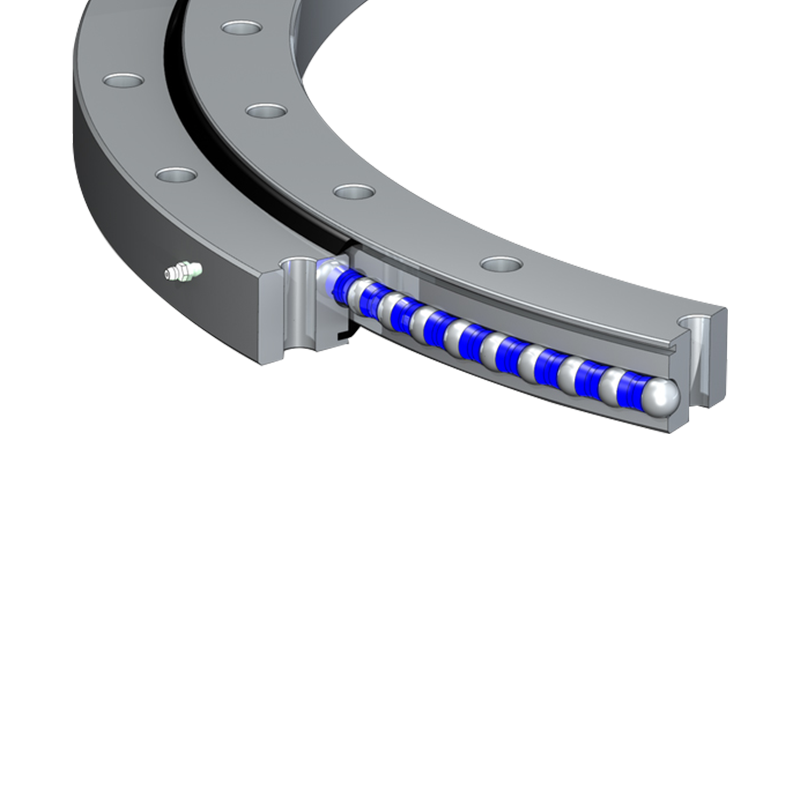
The L‑type single row ball design itself is inherently space‑efficient, built with an L‑shaped inner or outer ring that accommodates a mounting flange in a confined axial envelope. Customizing that L‑section’s thickness, flange orientation, and ball path gap is routine for a manufacturer with mature engineering resources. Selecting a partner starts with recognizing that the bearing is a structural element; its design should evolve together with the host machine.
What Defines a Reliable OEM/ODM Manufacturer for L‑Type Bearings
Not every machine shop that can turn a ring is a credible OEM/ODM slewing bearing partner. The first filter is whether the manufacturer has an embedded engineering group that can perform custom design, finite element analysis on raceway geometry, and full traceability from material lot to finished assembly. Without this, the customization becomes a transaction, not an engineering collaboration.
Look for a manufacturing floor built around the complete loop: heat treatment, CNC turning, gear cutting, precision grinding, and a dedicated inspection lab. A factory that operates with digital production management can offer real‑time visibility into process data, something increasingly valued when qualifying a new supplier. This digital thread—from order specification to final inspection report—reduces lead‑time uncertainty and makes quality gaps visible before they leave the plant. Facilities that emphasize precision lightweight design and integrated measuring systems can handle thin‑section L‑type rings without distortion, a problem that trips up general‑purpose workshops.
Customization Capabilities
An L‑type bearing rarely ships as a bare ring. Ask what modifications are routine: internal or external gear teeth with spline, quench‑and‑temper after hobbing to reach surface hardness above 55 HRC, mounting hole patterns with tapered counterbores, and seal grooves for lip or labyrinth configurations. Material flexibility matters just as much. A credible manufacturer stocks or can source 42CrMo4, 50Mn, or C45E steel, and should offer induction‑hardened raceways with documented hardness profiles, not just surface readings.
Environmental sealing is another litmus test. For wash‑down or outdoor conditions, specify nitrile or fluorocarbon double‑lip seals, and confirm that the manufacturer can suppress internal corrosion with zinc‑nickel plating or industrial black oxide on exposed surfaces. When a project requires stainless steel rings, the manufacturer’s experience with machining 440C or similar grades indicates whether they can hold tight residual stress limits after grinding.
View our L‑Type Single Row Ball Slewing Bearing product range to see the baseline configurations that can be adapted to your parameters.
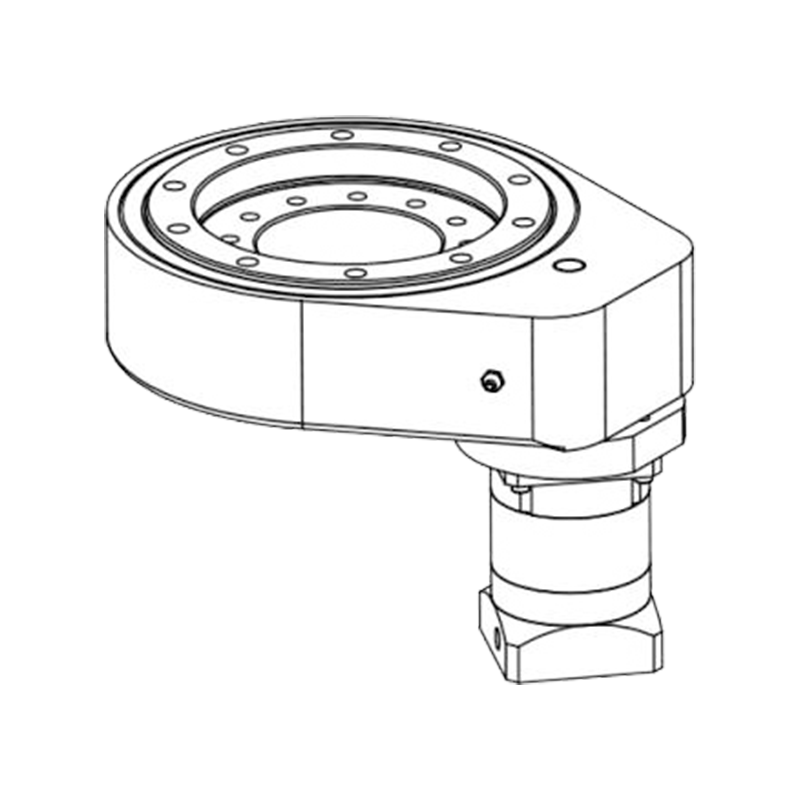
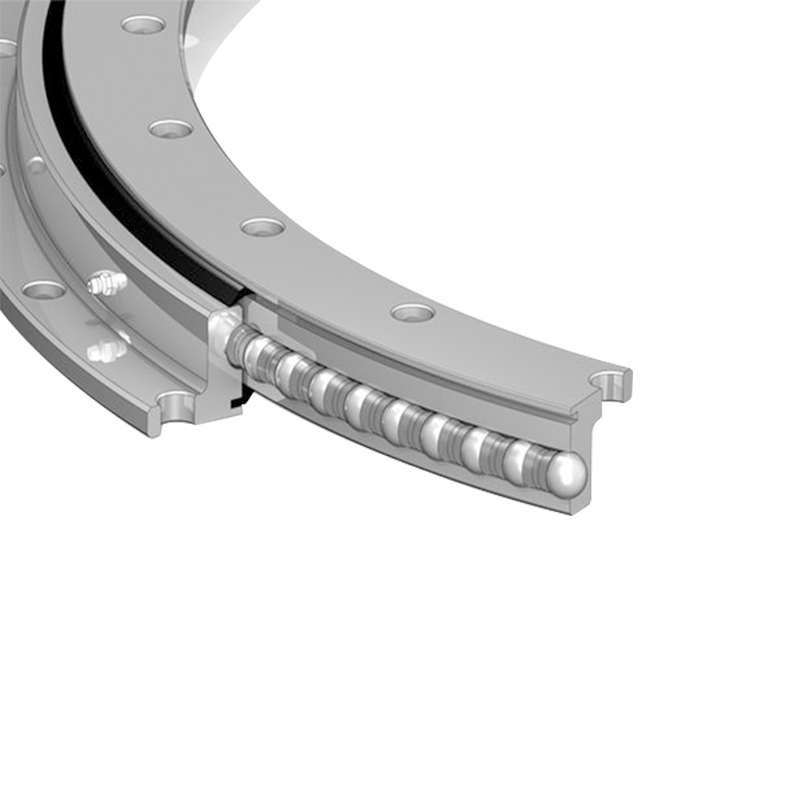 Custom L-Type Single Row Ball Slewing Bearing Manufacturers, Suppliers, FactoryJiangsu Manchen Transmission Technology Co., Ltd is custom L-Type Single Row Ball Slewing Bearing Manufacturers, suppliers & factory in C...View Product →
Quality Assurance System
ISO 9001 is the floor, not a differentiator. The real quality signature is in the inspection protocol: runout measurement under controlled preload, axial and radial clearance recordings on every bearing before shipment, and material certificates that include chemical composition and mechanical properties. A manufacturer that routinely performs magnetic particle inspection on gear tooth roots and ultrasonic testing on rings demonstrates a defense‑in‑depth approach to structural integrity.
Testing capacity should extend beyond simple geometric checks. Dynamic torque measurement, vibration spectrum analysis, and simulated load‑cycle tests help validate that the grease fill, ball selection, and seal drag work together under acceleration. Ask for a sample factory acceptance test report early in the evaluation; it reveals the level of detail the manufacturer considers standard.
Key Technical Decisions When Customizing L‑Type Bearings
Solidifying specifications before the first production run prevents costly rework. The geometry of an L‑type bearing means that a small change in section height or ball diameter directly alters the bearing’s stiffness and friction. Begin with the bearing’s boundary dimensions—outer diameter, inner diameter, and the L‑profile height—and then lock in the raceway center diameter and ball pitch circle because these control load distribution.
Gear parameters are notoriously underestimated. The module, number of teeth, pressure angle, and tooth width must be chosen not only for torque but also for bending fatigue at the root. After hobbing, the tooth flanks usually need induction hardening with a case depth of at least 1.5 mm, followed by tempering. Confirm that the manufacturer specifies hardness at the root radius, not only on the flank. Internal and external gear versions impose different process sequences; a competent partner can advise which orientation produces a stiffer assembly in your housing.
Clearance is another negotiation. L‑type bearings commonly ship with an axial clearance in the range of 0.02‑0.15 mm depending on size, but precision applications—like instrument turntables—may need a reduced clearance or even a light preload. That preload must be stable over the full temperature band, so the thermal expansion coefficients of raceway and housing materials must be factored in.
Explore the features, applications and advantages of L‑type bearings for deeper guidance on design parameters.
Load Capacity and Safety Factor
OEM/ODM projects usually demand a safety factor beyond the generic 1.5‑2.0 static multiplier found in catalog recommendations. The actual safety envelope needs to combine the static load rating, dynamic load rating, and the tilting moment curve into a single, machine‑specific load spectrum. A bearing that spends most of its life acting as a positioning joint rather than a rotating component may be dominated by static peak loads from emergency stops or seismic events.
Share the complete duty cycle with the manufacturer: the combination of axial force, radial reaction, and overturning moment at every critical position. Good engineering partners return a load‑capacity diagram overlaid on your application points, highlighting which load case controls the design. Where shock or impact energy is present, select a ball diameter that provides adequate contact ellipse area without exceeding the allowable Hertzian pressure, typically around 4000 MPa for through‑hardened bearing steel. Temperature extremes that thin out grease and expand clearances must also be accounted for, so specify the ambient range and any radiated heat from adjacent sources.
Confirm that the manufacturer can produce a dedicated test plan simulating your most aggressive load case, not merely a standard endurance test.
The partnership typically follows a structured path: technical requirement review, design proposal with 3D data and FEA summary, first‑article sample build (often 4‑8 weeks depending on complexity), customer validation, and then serial production. Clear expectations at each gate prevent the project from drifting. A manufacturer that offers a digital order portal or a collaborative project workbook can compress the pre‑production phase noticeably.
During the design stage, insist on a full drawing review that covers all geometric and geometric tolerance callouts, material alternatives, and corrosion protection. Once the pilot batch is produced, a joint first‑article inspection report—including CMM data for critical features and load‑deflection curves—builds the baseline for statistical process control in series runs. Serial production should be accompanied by batch traceability: each bearing marked with a heat number and production date, linked to its own test certificate.
Learn more about our OEM/ODM process and manufacturing standards and how digital production management shortens validation cycles.
Communication and Lead Time Estimation
Lead time is not a single number; it is the sum of steel procurement, forging or ring rolling, rough machining, heat treatment, finishing, assembly, and testing. A manufacturer with tight in‑house control over these steps can give a reliable delivery window. Ask how they handle engineering changes mid‑project: a formal change control process with impact analysis on cost and timeline is a sign of a mature organization.
Packaging and logistics complete the delivery picture. Bearings that leave the factory with a rust‑inhibiting coating, industrial‑grade VCI packaging, and custom‑fit wooden crates reflect an understanding that the product is a precision component, not a commodity. Post‑delivery support—installation guidance, torque‑sequence charts, and lubrication recommendations—should be part of the standard package, not an extra cost.
Making the Final Decision
Choosing an OEM/ODM L‑type single row ball slewing bearing manufacturer is a judgment of engineering depth, process transparency, and the willingness to share real production data. Price is important, but a lower unit cost that comes with hidden re‑machining, re‑inspection, and field failures is never a bargain. Evaluate the complete package: the quality system reports, the design iteration speed, the clarity of the material and heat‑treat documentation, and the confidence you gain during technical discussions.
Before committing to a volume order, request a technical proposal that includes a load‑rating verification, a sealed demonstrator bearing, and at least two reference cases that resemble your application. If the manufacturer can walk you through their production control plan and show how they measure and record every critical characteristic, the partnership is likely to be a productive one.
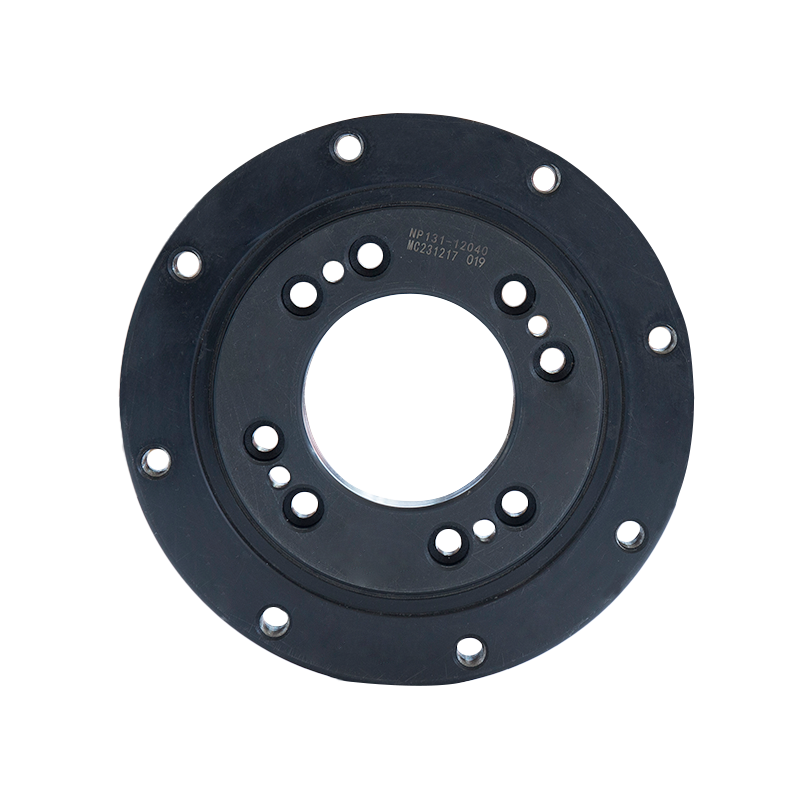
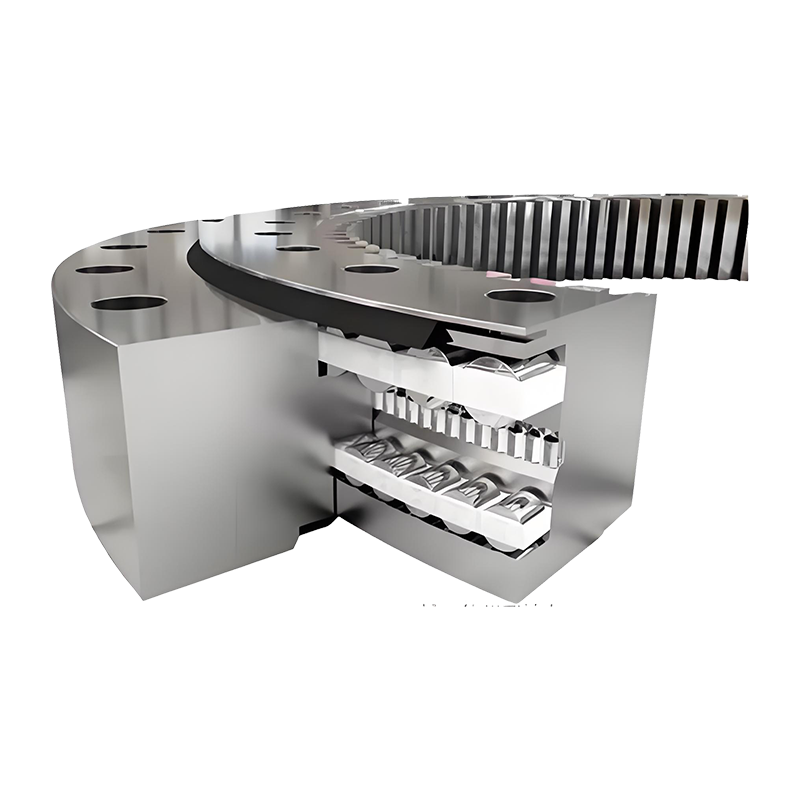
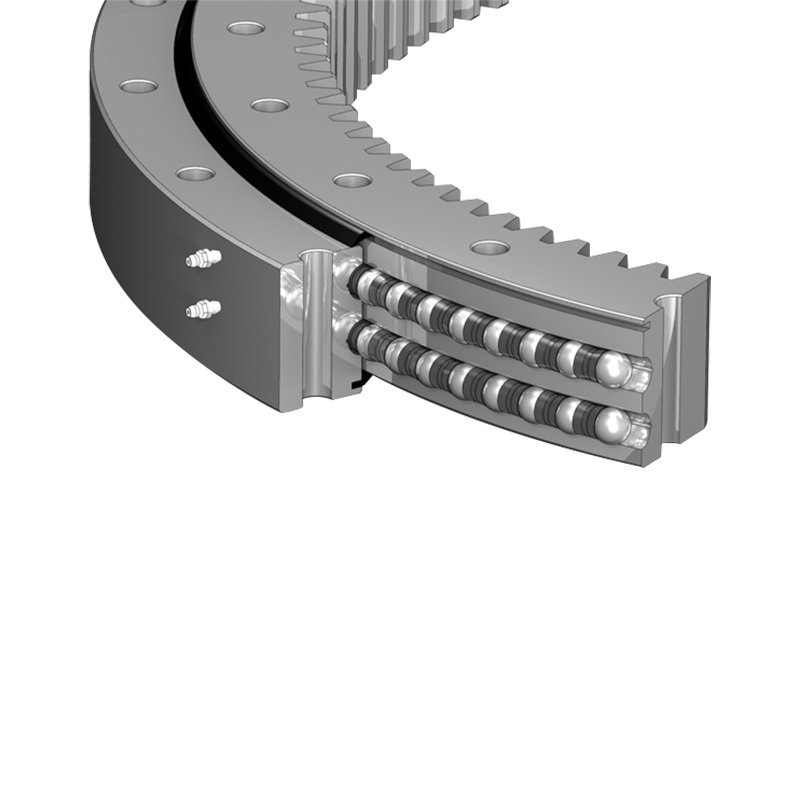


Jiangsu Manchen Transmission Technology Co., Ltd. excels in creating custom, reliable, and precise slewing bearings for diverse industries, continuously innovating to meet the highest standards and seeking collaborative opportunities. Reliable and steady slewing bearings supplier in China.
Product links
Contact Us
-
Address:No. 8, Nanqiu Road, Huangtu Town, Jiangyin City,China
-
Tel:+86-13646122221
-
Phone:+86-18796936198
-
WhatsApp:+86 18796936198
-
E-mail:hedy@slewingbearingcn.com
-
E-mail:ma@slewingbearingcn.com
-
E-mail:vena@slewingbearingcn.com
