

 EN
EN  English
 русский
 Español
 عربى
عربى

News

How Does a Slewing Drive Enable Heavy-Duty Rotation?
 2026.07.03
 Industry news
Behind many of the machines that lift, turn, and position massive loads sits a component that rarely gets attention outside engineering circles: the slewing drive. From construction cranes to solar tracking systems, slewing drives quietly handle the demanding job of controlled rotation under heavy load. This article explains how slewing drives work, where they are used, and what to consider when selecting one for a specific application.
Content
What a Slewing Drive Actually Does
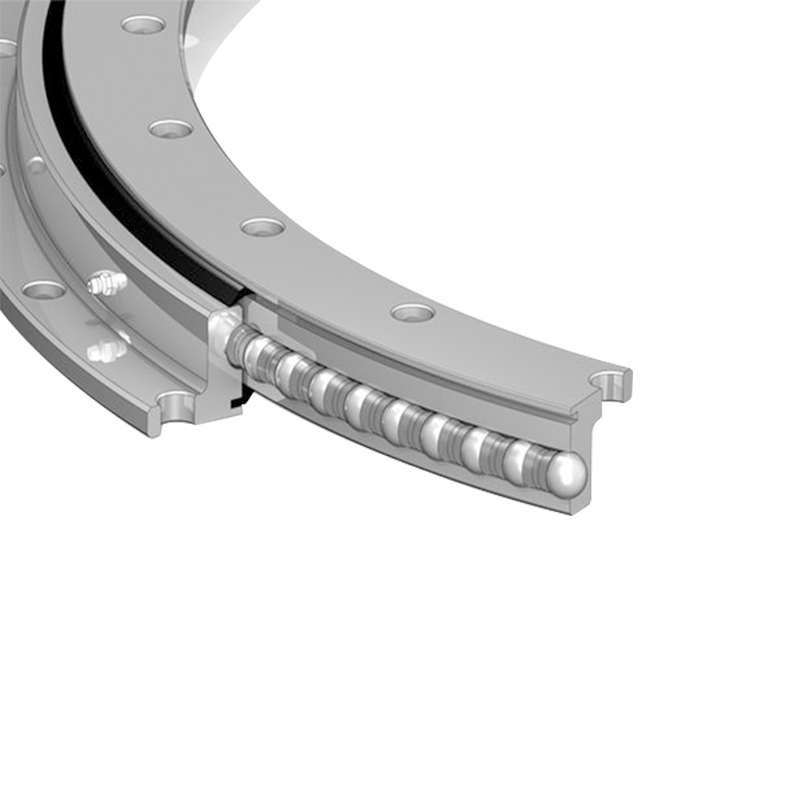
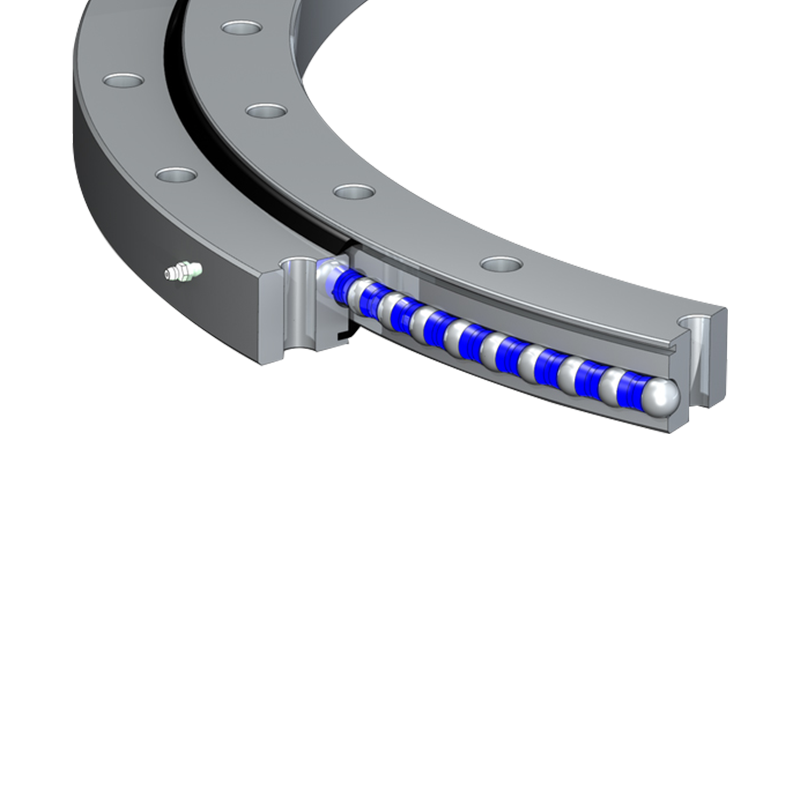
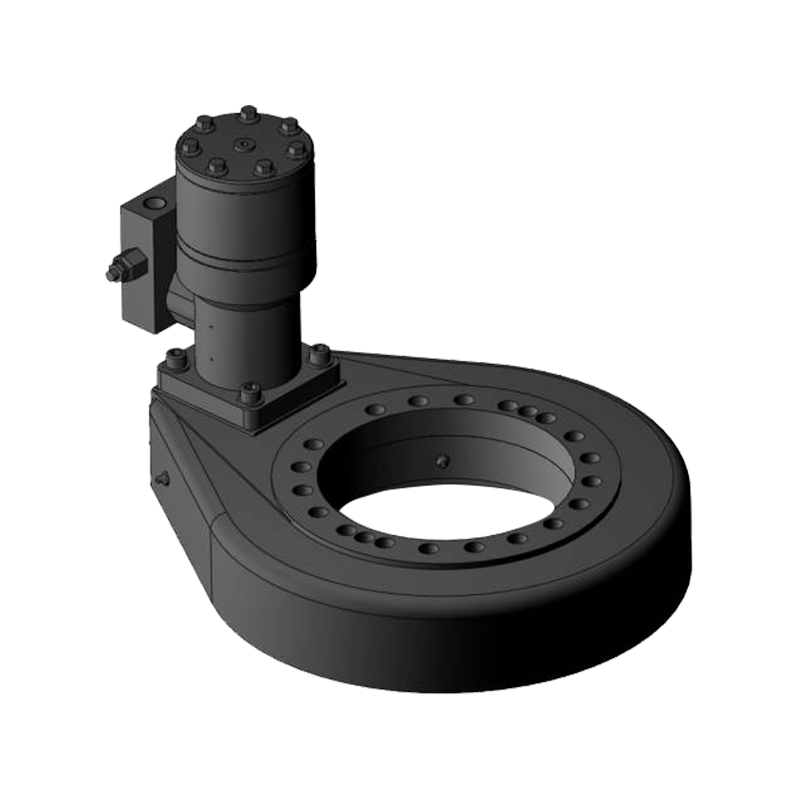
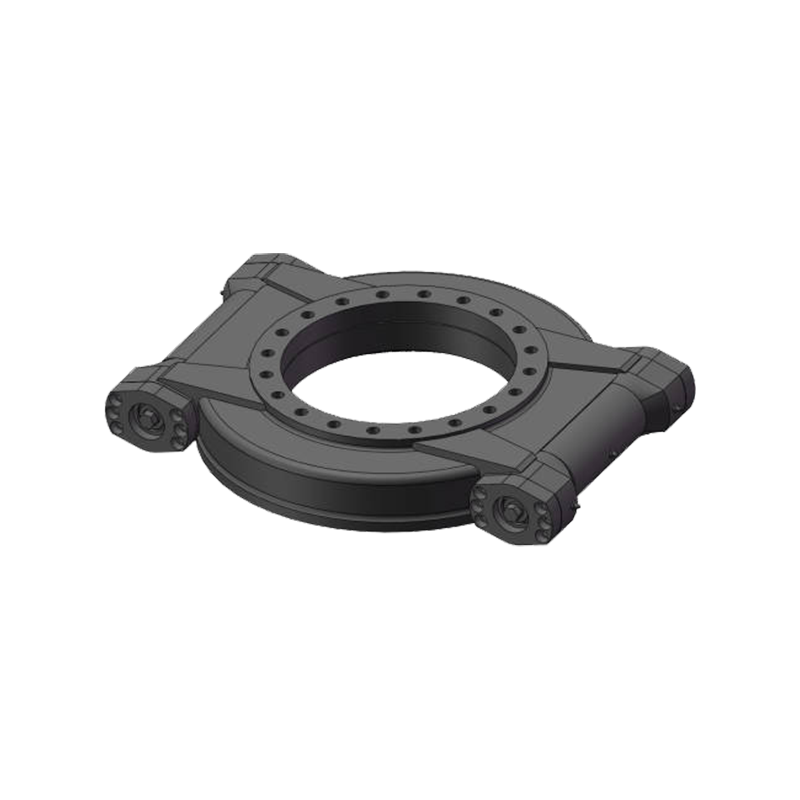
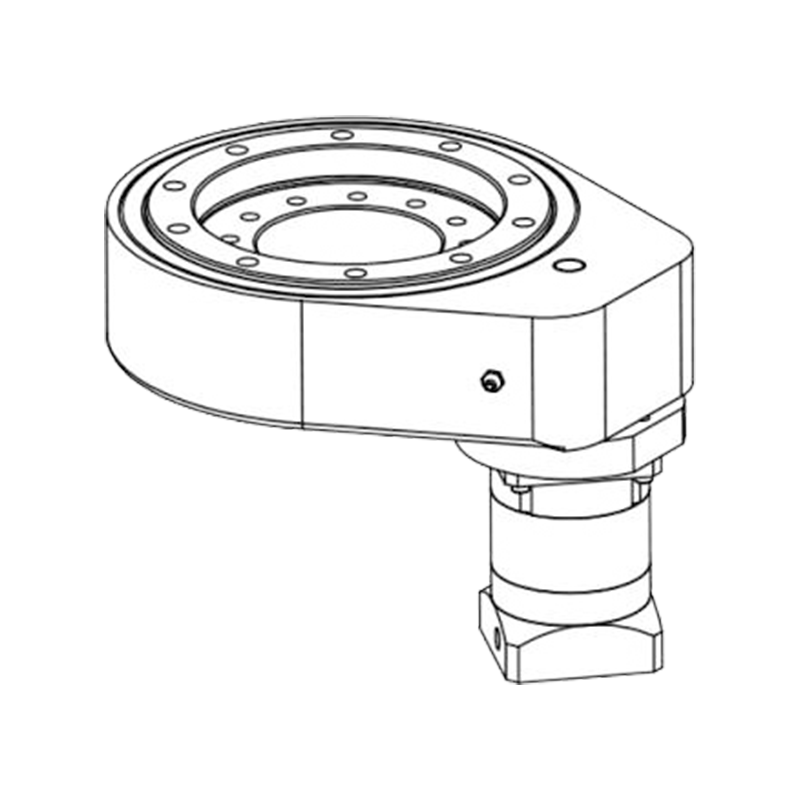
A slewing drive is a gearbox-and-bearing assembly that converts rotational input from a motor into precise, controlled rotational or tilting movement of a heavy load. Unlike a simple bearing, which only supports rotation, a slewing drive combines a slewing ring bearing with a worm gear or planetary gear reducer, allowing it to both support significant axial, radial, and moment loads while also driving the rotation itself. This dual function is what makes it valuable in applications where a load must be turned or tilted while also being held securely in position, sometimes for extended periods, without drifting.
Core Components
- Slewing ring bearing, which supports the load and allows rotation
- Worm gear or planetary gear set, which provides torque and self-locking capability
- Housing, which encloses and protects the internal components from dust and moisture
- Mounting flanges, which connect the drive to the load and the supporting structure
- Seals, which keep contaminants out of the gear and bearing raceway
Self-Locking Behavior
One of the most valuable characteristics of a worm-gear slewing drive is its self-locking property. Once the motor stops, the worm gear geometry prevents the load from rotating backward under external force, such as wind pressure on a crane boom or the weight of a tilted solar panel. This eliminates the need for a separate braking system in many applications, simplifying design and reducing points of potential failure.
Where Slewing Drives Are Used
Slewing drives appear in a wide range of industries wherever a heavy load needs to rotate slowly, precisely, and under sustained load. Their combination of load-bearing capacity and controlled movement makes them suited to both mobile and stationary equipment.
Construction and Material Handling
Cranes, excavators, and aerial work platforms rely on slewing drives to rotate the upper structure relative to the base or chassis. In these applications, the drive must handle high moment loads from the extended boom while maintaining precise control during rotation, especially when positioning heavy loads near workers or structures.
Solar Tracking Systems
Solar farms use slewing drives in single-axis and dual-axis tracking systems that adjust panel angles throughout the day to follow the sun. Here, the self-locking feature is particularly valuable, since it holds the panel array steady against wind loads without consuming additional energy to maintain position.
Wind Turbines
In wind turbines, slewing drives are used in the pitch and yaw systems. The pitch system adjusts the angle of individual blades to optimize energy capture, while the yaw system rotates the entire nacelle to face the turbine into the wind. Both systems require the drive to operate reliably over years of continuous exposure to weather and mechanical stress.
Military and Defense Equipment
Radar systems, satellite antennas, and weapon platforms use slewing drives for precise positioning and tracking. These applications typically demand tighter backlash tolerances and higher positioning accuracy than industrial uses, since even small errors can affect targeting or signal alignment.
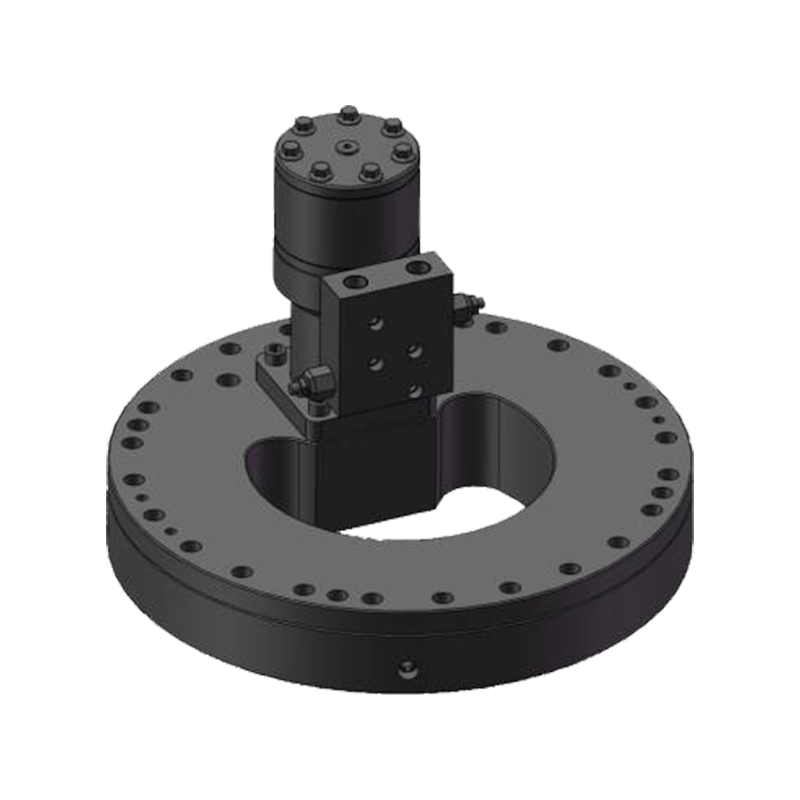
Comparing Slewing Drive Types
Not all slewing drives are built the same way, and the choice of gear type affects performance characteristics such as speed, torque, and precision. The table below compares the two most common configurations.
| Drive Type | Torque Output | Best Suited For |
| Worm gear slewing drive | Moderate to high | Solar trackers, cranes, aerial platforms |
| Planetary gear slewing drive | High | Heavy construction equipment, marine cranes |
| Double worm gear slewing drive | Very high | Large excavators, heavy industrial rotation |
Factors to Consider When Selecting a Slewing Drive
Choosing the right slewing drive requires matching its specifications to the actual load and operating conditions of the application. Undersizing a drive risks premature failure, while oversizing adds unnecessary cost and weight.
- Maximum axial, radial, and moment load the drive must support
- Required rotational speed and torque output for the application
- Environmental exposure, including temperature range, dust, and moisture
- Duty cycle, meaning how frequently and continuously the drive will operate
- Backlash tolerance needed for positioning accuracy
- Mounting configuration and available space for installation
Maintenance Practices That Extend Service Life
Slewing drives are engineered for long service life, but routine maintenance significantly affects how long they perform reliably in the field. Regular lubrication of the gear teeth and bearing raceway prevents metal-on-metal wear, while periodic inspection of seals helps catch early signs of contamination before it damages internal components. Monitoring for unusual noise, vibration, or backlash during operation can also reveal early warning signs of wear that, if addressed promptly, prevent more costly failures down the line.
In outdoor applications such as solar trackers and wind turbines, seal integrity deserves particular attention, since moisture intrusion is one of the leading causes of premature slewing drive failure. Scheduled inspections aligned with the manufacturer's recommended intervals help ensure the drive continues operating within its designed tolerances.
Why Slewing Drives Remain Essential
Slewing drives may not attract the same attention as the cranes, turbines, or solar arrays they support, but their role in enabling controlled, sustained rotation under heavy load makes them indispensable across multiple industries. Understanding how they function, where they are applied, and what factors influence their selection allows engineers and equipment buyers to make informed decisions that improve the reliability and lifespan of the machinery that depends on them.
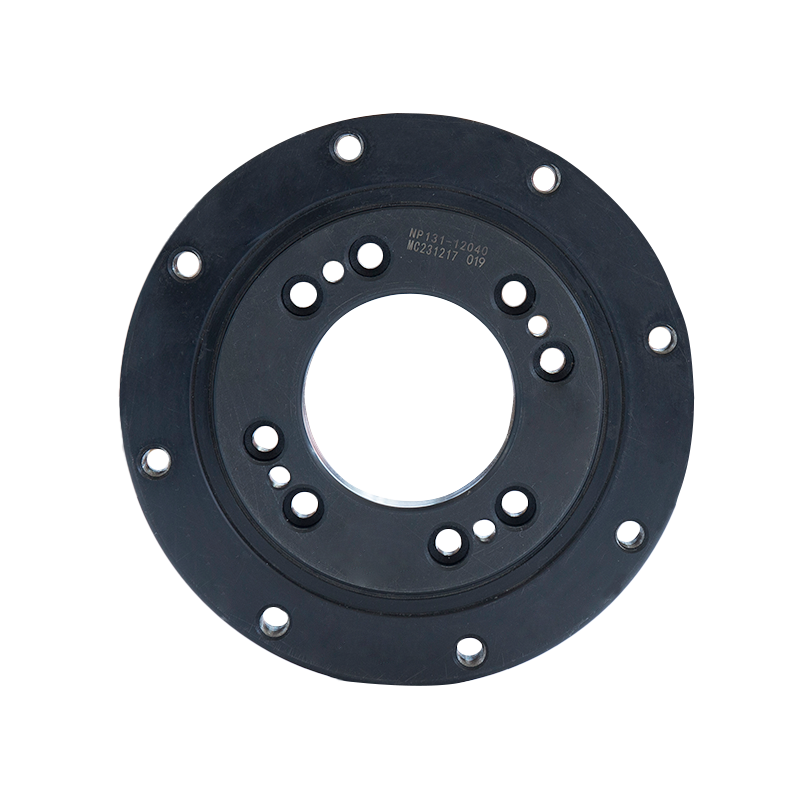
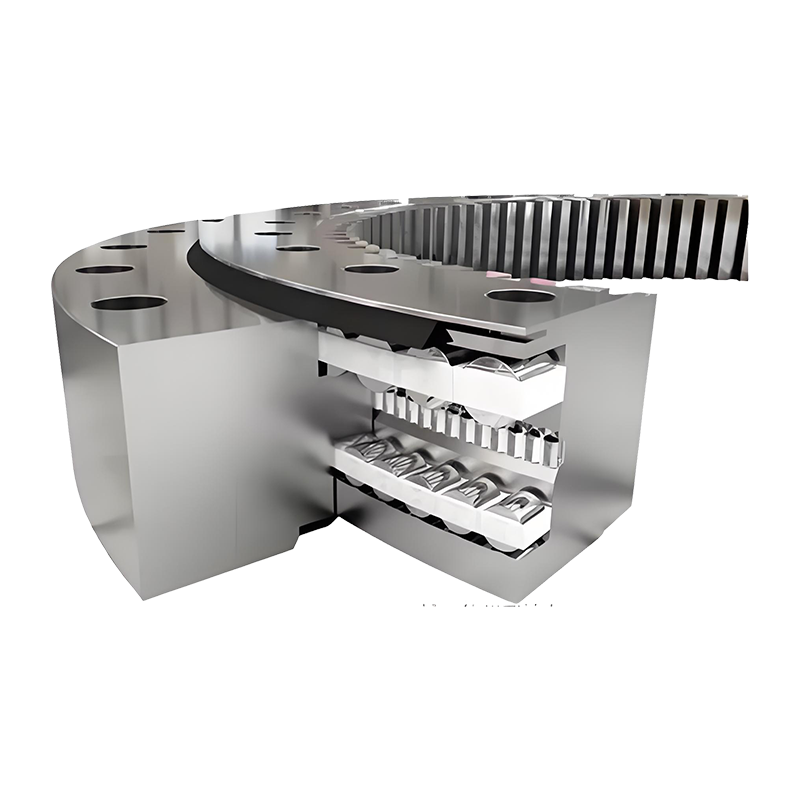
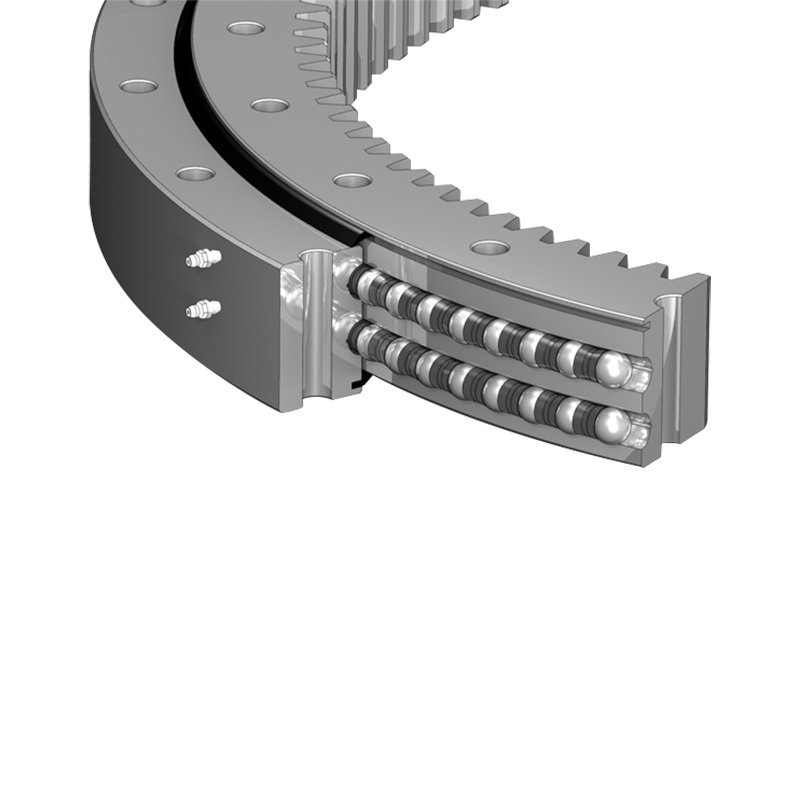


Jiangsu Manchen Transmission Technology Co., Ltd. excels in creating custom, reliable, and precise slewing bearings for diverse industries, continuously innovating to meet the highest standards and seeking collaborative opportunities. Reliable and steady slewing bearings supplier in China.
Product links
Contact Us
-
Address:No. 8, Nanqiu Road, Huangtu Town, Jiangyin City,China
-
Tel:+86-13646122221
-
Phone:+86-18796936198
-
WhatsApp:+86 18796936198
-
E-mail:hedy@slewingbearingcn.com
-
E-mail:ma@slewingbearingcn.com
-
E-mail:vena@slewingbearingcn.com
