

 EN
EN  English
 русский
 Español
 عربى
عربى

News
 Home / News / Industry news / What Makes the 13 Series Three-Row Roller Slewing Bearing Suited for Heavy Machinery?
 What Makes the 13 Series Three-Row Roller Slewing Bearing Suited for Heavy Machinery?
 2026.07.17
 Industry news
Content
- 1 Understanding the Three-Row Roller Design
- 2 How Load Distribution Reduces Wear and Failure Risk
- 3 Manufacturing Precision Behind Stable Rotation
- 4 Material Selection and Heat Treatment Process
- 5 Safety Testing and Operational Reliability
- 6 Maintenance Practices That Extend Service Life
- 7 Where the 13 Series Fits in Heavy Machinery Applications
Understanding the Three-Row Roller Design
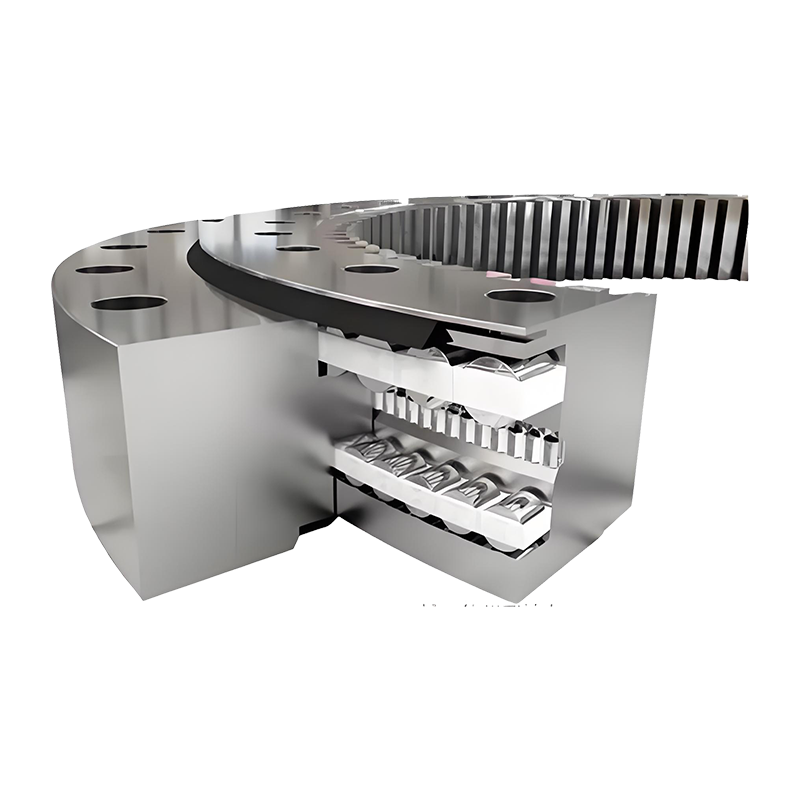
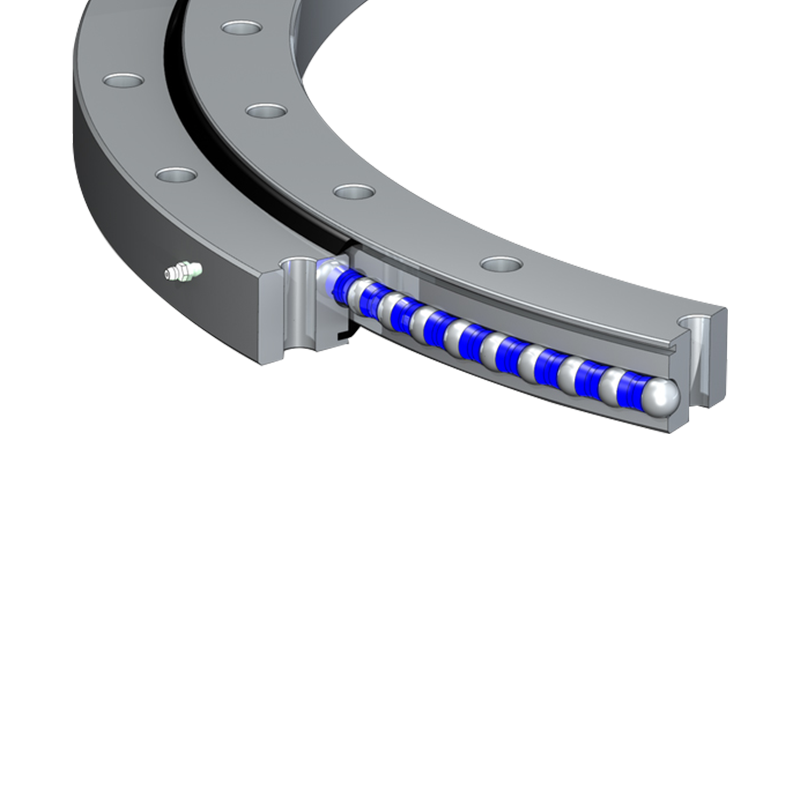
The three-row roller slewing bearing, commonly known as the 13 Series, is built around a distinct load-separation principle that sets it apart from single-row or two-row bearing designs. Rather than asking one row of rolling elements to handle every direction of load simultaneously, the 13 Series divides the work across three dedicated rows. The inner and outer rows of rollers are positioned to primarily carry axial loads, the forces pushing along the rotational axis, while the middle row is arranged to carry radial loads, the forces acting perpendicular to that axis. This separation allows each row to be optimized specifically for the type of load it's designed to bear, rather than compromising performance across all load types at once.
This arrangement is not arbitrary. The positioning and spacing of each roller row is calculated to achieve balanced load distribution across the entire bearing structure, which directly reduces localized wear that would otherwise concentrate at points where load is unevenly carried. In heavy machinery applications where a slewing bearing supports rotating loads under constant mechanical stress, this distributed load path translates directly into a longer service interval before performance degradation becomes noticeable.
How Load Distribution Reduces Wear and Failure Risk
A slewing bearing operating under uneven load distribution tends to develop wear patterns concentrated in specific zones rather than spread evenly across the raceway. Over time, this uneven wear creates play or looseness in the bearing assembly, which can progress into misalignment, increased vibration, and eventually structural failure if left unaddressed. The 13 Series design specifically counters this failure pathway by giving axial and radial forces separate, dedicated load paths, so that neither type of force competes with the other for the same contact surface.
This design also provides a larger overall load-bearing area compared to simpler bearing configurations, since three rows of rollers collectively distribute force across more total contact points than a single-row design would. A larger load-bearing area means lower stress concentration per unit of contact surface, which is a key factor in reducing the incidence of pitting, spalling, or other rolling-contact fatigue failures that shorten bearing life under heavy or repeated loading cycles.
Load Path Breakdown by Roller Row
| Roller Row | Primary Load Type | Functional Role |
| Inner row | Axial load | Resists thrust along the rotational axis |
| Middle row | Radial load | Resists perpendicular forces during rotation |
| Outer row | Axial load | Provides complementary thrust support |
Manufacturing Precision Behind Stable Rotation
Even the best load-distribution design depends on manufacturing precision to deliver on its theoretical advantages in real-world operation. Roller alignment within each row must be held to tight tolerances, since even small deviations in roller positioning can create localized stress points that undermine the intended even load distribution. High-precision machining of both the rollers and the raceway surfaces they travel along ensures that contact geometry remains consistent across the full rotational path of the bearing.
This precision manufacturing directly supports smooth and stable rotational movement, which matters significantly in applications like crane operation or tower crane slewing, where jerky or inconsistent rotation can affect load control and operator safety. Bearings manufactured with looser tolerances may function adequately under light loads but often reveal performance inconsistencies once subjected to the heavier, more variable loading conditions typical of construction and material handling equipment.
Material Selection and Heat Treatment Process
The 13 Series slewing bearing is constructed from high-strength alloy steel, a material choice that balances the hardness needed to resist wear against the toughness needed to absorb impact loading without cracking or brittle failure. Alloy steel's combination of these properties makes it well suited to slewing bearing applications, where the rolling elements and raceways must simultaneously resist abrasive wear from continuous rotation and sudden load spikes from operational shocks, such as a crane suddenly lifting or releasing a heavy load.
Heat treatment plays a critical role in achieving the right balance between these two properties. Through carefully controlled heat treatment processes, the steel's surface hardness is increased to resist wear at the contact points between rollers and raceway, while the core material retains enough toughness to prevent the kind of brittle cracking that can occur in over-hardened steel under impact loading. Precise machining following heat treatment ensures that final dimensional tolerances remain accurate despite any dimensional changes introduced during the heat treatment cycle itself.
Material and Process Priorities
- High-strength alloy steel selected for combined hardness and toughness
- Controlled heat treatment to optimize surface hardness without sacrificing core toughness
- Precision post-treatment machining to maintain dimensional accuracy
- Rigorous safety testing to validate performance under varied operating conditions
Safety Testing and Operational Reliability
Given that slewing bearings often operate as a structural component supporting rotating loads in equipment where failure could pose direct risk to operators, safety testing is treated as a non-negotiable part of the production process for the 13 Series. Bearings are subjected to testing protocols designed to simulate the range of operating conditions they'll encounter in service, including heavy static loads, dynamic rotational stress, and impact loading scenarios that mimic real-world equipment operation.
This testing serves two purposes. First, it validates that the bearing performs as designed under the load and stress conditions specific to its intended application, whether that's a crane's lifting cycle or a tower crane's continuous slewing motion. Second, it identifies potential failure points before the product reaches the field, allowing manufacturing adjustments to be made proactively rather than reactively in response to field failures. For equipment operators, this testing rigor translates into a bearing that carries a lower risk of unexpected failure during operation, directly supporting operator safety around heavy rotating machinery.
Maintenance Practices That Extend Service Life
While the 13 Series is engineered for durability, routine maintenance remains essential to achieving its full service life potential. Regular lubrication is the single most impactful maintenance task, since proper lubrication reduces friction between rollers and raceways, dissipates heat generated during rotation, and helps prevent moisture or contaminant ingress that could accelerate corrosion or abrasive wear. Lubrication intervals should follow the specific operating conditions of the equipment, with more frequent lubrication needed in dusty, wet, or high-load environments compared to controlled indoor settings.
Periodic inspection complements lubrication as a preventive maintenance practice. Checking for abnormal noise, vibration, or resistance during rotation can reveal early signs of wear or misalignment before they progress into more serious failures. Bolt torque on the mounting connections should also be checked periodically, since loosened mounting bolts can introduce play into the bearing assembly that accelerates wear even when the bearing itself remains in good condition. Facilities that build these inspection and lubrication tasks into a regular maintenance schedule typically see meaningfully reduced downtime and extended equipment operational efficiency compared to those relying on reactive maintenance after problems emerge.
Where the 13 Series Fits in Heavy Machinery Applications
The combination of high load capacity, distributed wear resistance, and operational stability makes the 13 Series slewing bearing a standard component across several categories of heavy machinery. Cranes rely on the bearing's ability to support significant axial and radial loads simultaneously during lifting and rotating operations, while excavators depend on similar load-bearing characteristics during digging and swinging motions that place variable, often sudden, stress on the slewing mechanism.
Tower cranes, which combine sustained rotational movement with substantial overhung loads at height, benefit particularly from the bearing's balanced load distribution, since any weakness in load handling at this scale carries amplified safety implications. Port handling equipment, which often operates continuously across long shifts moving heavy containerized cargo, similarly depends on the bearing's wear resistance and structural reliability to maintain consistent operational uptime. Across all these applications, the underlying requirement is the same: a slewing bearing capable of handling heavy, variable loads over extended service periods without becoming a point of operational failure.

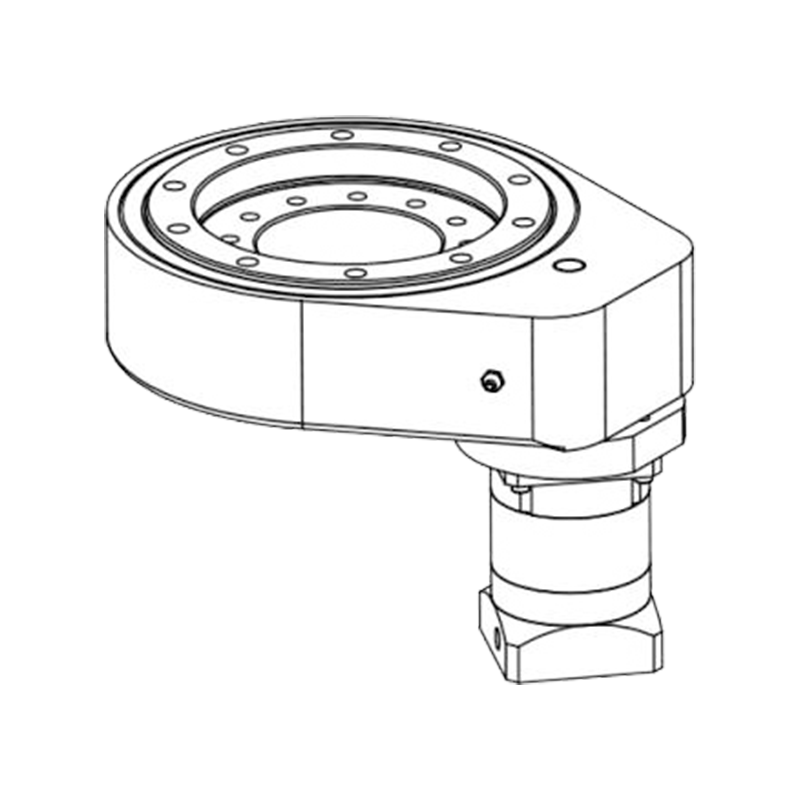

Jiangsu Manchen Transmission Technology Co., Ltd. excels in creating custom, reliable, and precise slewing bearings for diverse industries, continuously innovating to meet the highest standards and seeking collaborative opportunities. Reliable and steady slewing bearings supplier in China.
Product links
Contact Us
-
Address:No. 8, Nanqiu Road, Huangtu Town, Jiangyin City,China
-
Tel:+86-13646122221
-
Phone:+86-18796936198
-
WhatsApp:+86 18796936198
-
E-mail:hedy@slewingbearingcn.com
-
E-mail:ma@slewingbearingcn.com
-
E-mail:vena@slewingbearingcn.com
