

 EN
EN  English
 русский
 Español
 عربى
عربى

News
 Home / News / Industry news / Vertical Internal Gear Slewing Drives: Structure, Applications, and Selection Guide
 Vertical Internal Gear Slewing Drives: Structure, Applications, and Selection Guide
 2026.02.19
 Industry news
Content
- 1 Understanding Vertical Internal Gear Slewing Drives
- 2 Internal Gear Structure and Working Principle
- 3 Advantages of Vertical Internal Gear Slewing Drives
- 4 Typical Applications and Use Scenarios
- 5 Comparison with External Gear Slewing Drives
- 6 Selection Considerations for Vertical Internal Gear Slewing Drives
- 7 Why Vertical Internal Gear Slewing Drives Are Used in Compact Designs
Understanding Vertical Internal Gear Slewing Drives
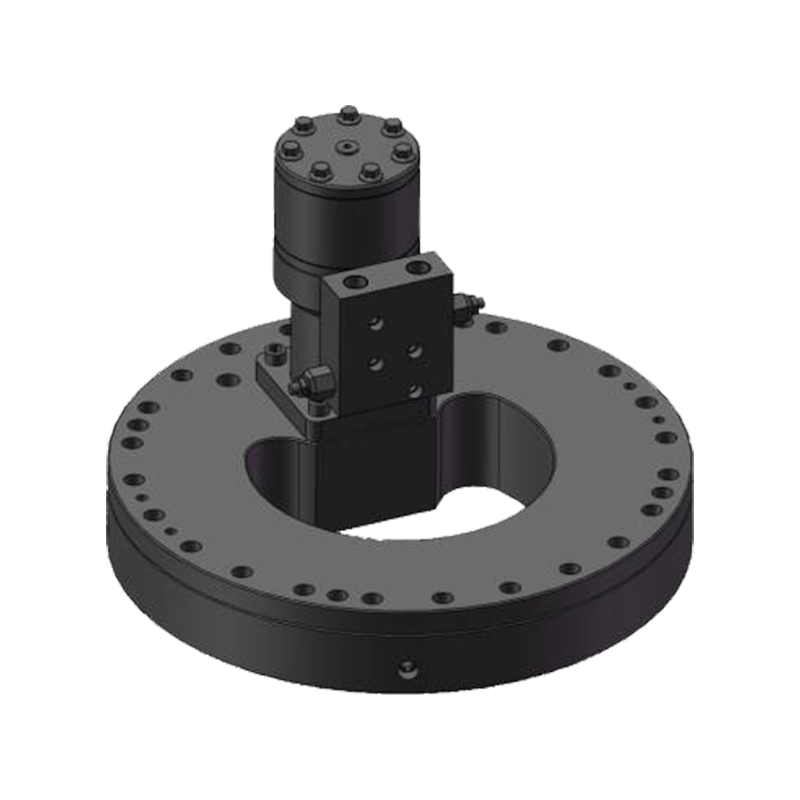
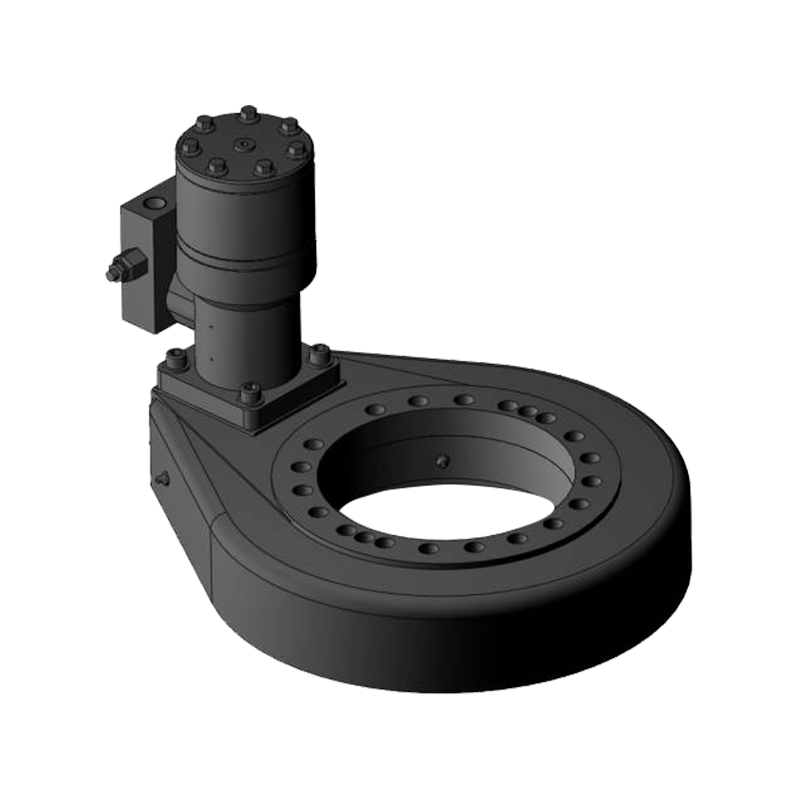
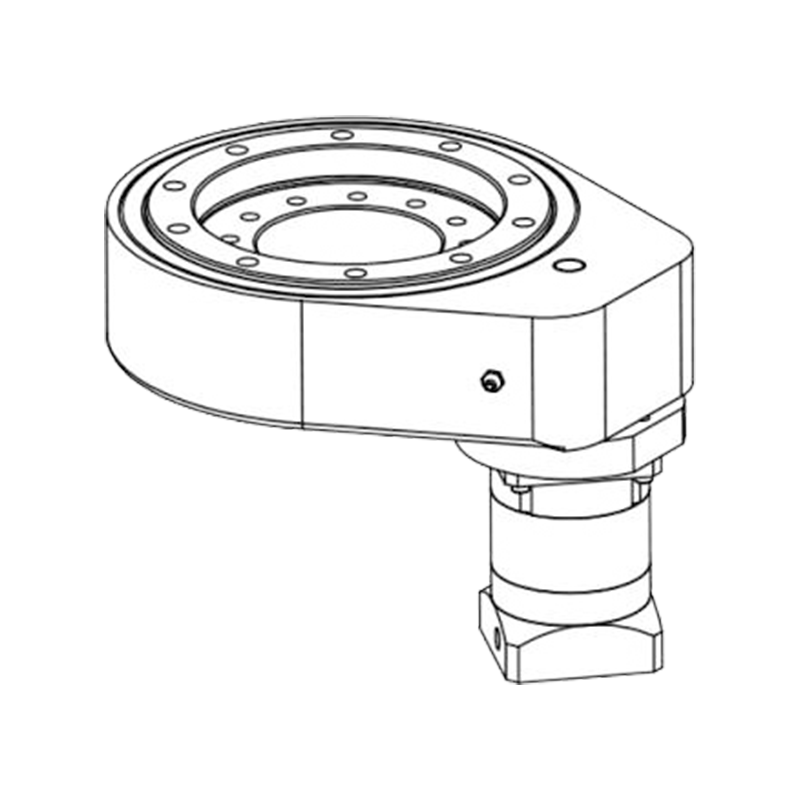
Vertical Internal Gear Slewing Drives are compact rotary drive units designed to transmit torque and support axial, radial, and tilting loads simultaneously. Unlike external gear designs, the internal gear configuration places the ring gear inside the housing, allowing the drive to maintain a more enclosed and protected structure. This design is especially suitable for vertical mounting arrangements where stability, load control, and long-term reliability are required.
These slewing drives integrate a slewing bearing with a worm gear or pinion drive mechanism, enabling controlled rotational movement. The vertical orientation allows direct load transfer through the bearing structure, making it effective for equipment that requires precise positioning under continuous or intermittent operation.
Internal Gear Structure and Working Principle
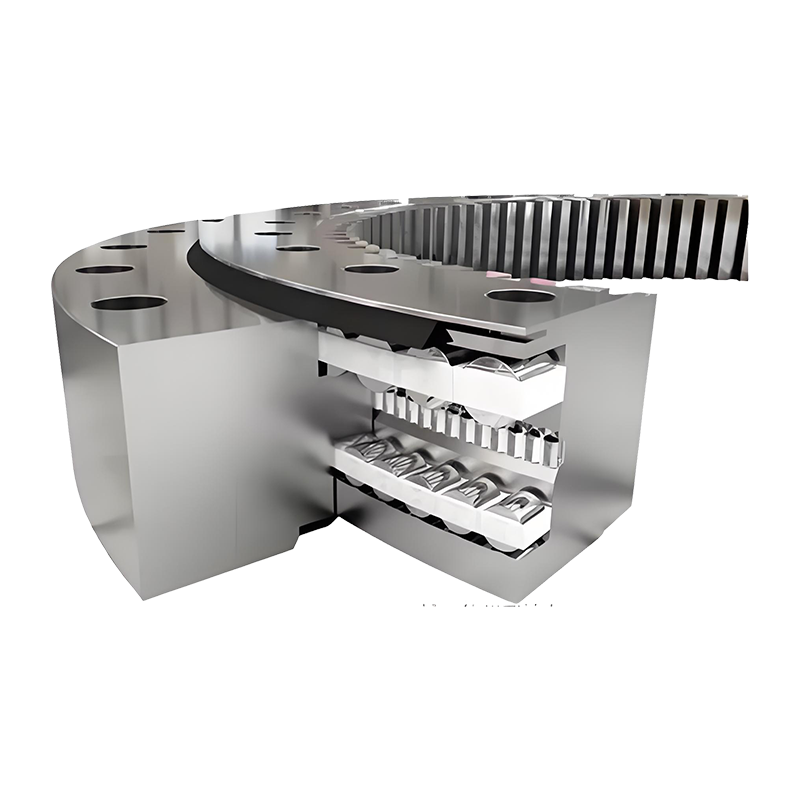
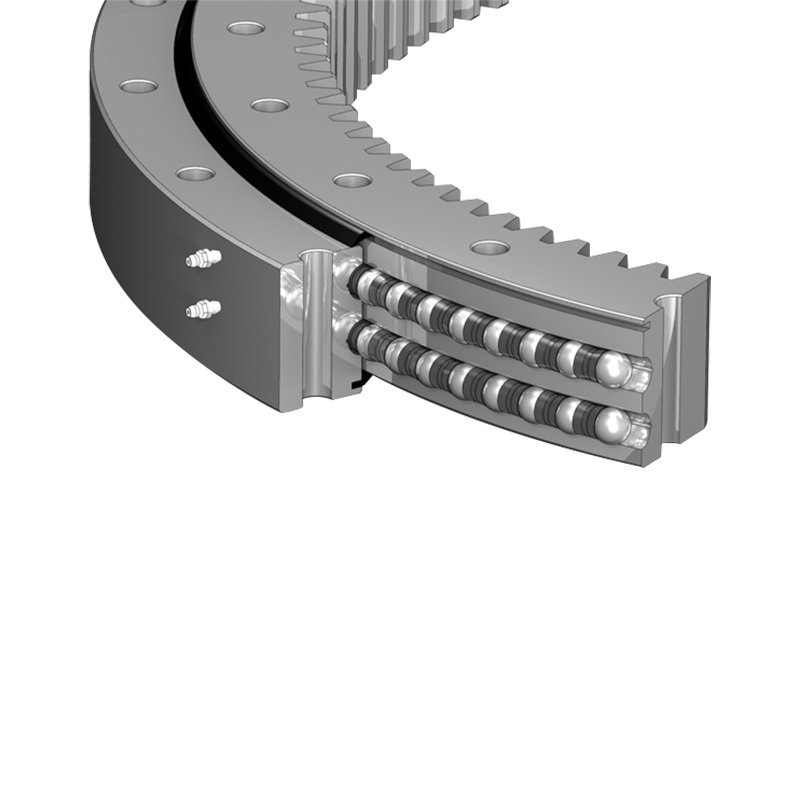
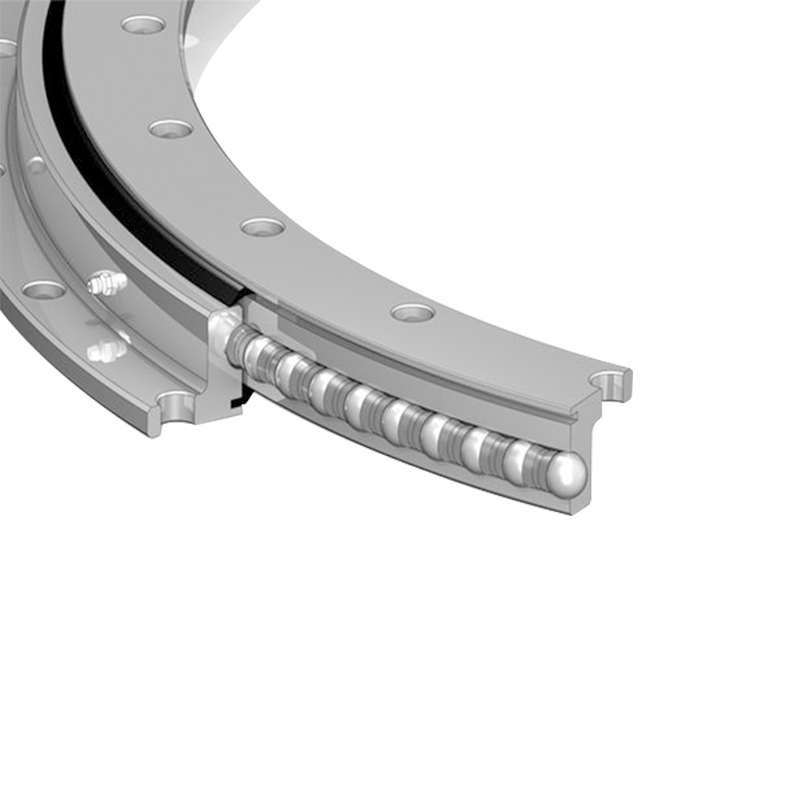
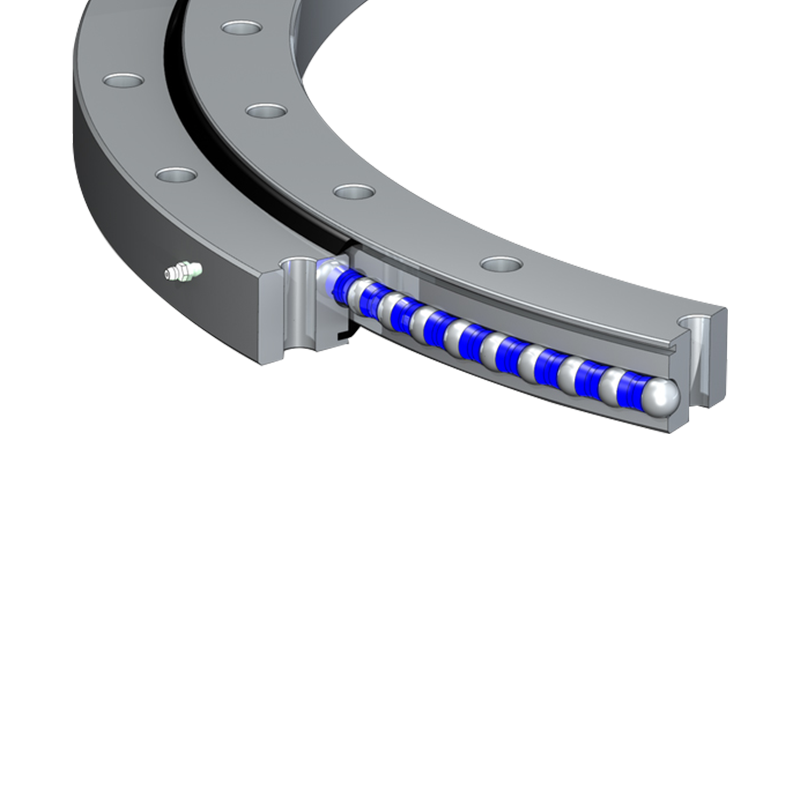
The core of a Vertical Internal Gear Slewing Drive consists of an internal ring gear, a driving worm or pinion, rolling elements, and a sealed housing. When the input shaft rotates, torque is transmitted through the drive mechanism to the internal gear, causing smooth and controlled rotation of the output flange.
The internal gear layout improves load distribution across the bearing raceways and reduces exposure of critical components to external contaminants. This structure supports stable motion control even under combined loads, which is essential for vertically mounted systems.
Key Structural Characteristics
- Enclosed internal gear design for improved protection
- Integrated slewing bearing supporting multi-directional loads
- Compact housing suitable for vertical installation
Advantages of Vertical Internal Gear Slewing Drives
Vertical Internal Gear Slewing Drives are selected for applications where controlled rotation and structural compactness are priorities. The internal gear arrangement contributes to improved operational stability and reduced maintenance exposure.
- Efficient load handling for axial, radial, and moment loads
- Reduced risk of gear contamination due to enclosed structure
- Stable torque transmission in vertical operating conditions
Typical Applications and Use Scenarios
Vertical Internal Gear Slewing Drives are widely used in equipment that requires precise rotational control combined with load-bearing capability. Their vertical configuration supports applications where space constraints or mounting orientation limit the use of horizontal slewing systems.
Industrial and Mobile Equipment
These slewing drives are commonly applied in aerial platforms, lifting systems, material handling equipment, and compact cranes. The internal gear design supports smooth rotation while maintaining alignment under varying load conditions.
Energy and Automation Systems
In energy-related equipment and automated machinery, Vertical Internal Gear Slewing Drives are used to enable accurate positioning of rotating structures. Their enclosed construction supports reliable operation in outdoor or controlled industrial environments.
Comparison with External Gear Slewing Drives
Understanding the differences between internal and external gear slewing drives helps clarify why vertical internal gear designs are chosen for certain applications.
| Aspect | Internal Gear Design | External Gear Design |
| Gear Protection | Enclosed within housing | Exposed to environment |
| Mounting Orientation | Well-suited for vertical setups | Common in horizontal layouts |
| Maintenance Exposure | Lower exposure | Higher exposure |
Selection Considerations for Vertical Internal Gear Slewing Drives
Selecting an appropriate Vertical Internal Gear Slewing Drive requires evaluating load conditions, rotational speed, and installation constraints. Load calculations should account for axial forces, radial forces, and overturning moments to ensure compatibility with the slewing bearing capacity.
Additional factors such as environmental exposure, sealing requirements, and integration with motors or hydraulic systems also influence selection. Matching the drive design to actual operating conditions helps maintain stable performance throughout the equipment service life.
Why Vertical Internal Gear Slewing Drives Are Used in Compact Designs
Vertical Internal Gear Slewing Drives provide a balance of compact structure, controlled rotation, and load-bearing capability. Their internal gear configuration supports stable operation while reducing external exposure, making them suitable for applications where reliability and space efficiency are critical.
By combining precise motion control with integrated load support, these slewing drives continue to be a practical solution for vertically oriented equipment across multiple industries.


Jiangsu Manchen Transmission Technology Co., Ltd. excels in creating custom, reliable, and precise slewing bearings for diverse industries, continuously innovating to meet the highest standards and seeking collaborative opportunities. Reliable and steady slewing bearings supplier in China.
Product links
Contact Us
-
Address:No. 8, Nanqiu Road, Huangtu Town, Jiangyin City,China
-
Tel:+86-13646122221
-
Phone:+86-18796936198
-
WhatsApp:+86 18796936198
-
E-mail:hedy@slewingbearingcn.com
-
E-mail:ma@slewingbearingcn.com
-
E-mail:vena@slewingbearingcn.com
