

 EN
EN  English
 русский
 Español
 عربى
عربى

News

What is Vertical Internal Gear Slewing Drives
 2026.02.03
 Industry news
Content
- 1 Introduction to Vertical Internal Gear Slewing Drives
- 2 Components of a Vertical Internal Gear Slewing Drive
- 3 How Vertical Internal Gear Slewing Drives Work
- 4 Applications in Heavy Machinery
- 5 Advantages of Vertical Internal Gear Slewing Drives
- 6 Performance Comparison
- 7 Maintenance and Best Practices
- 8 Conclusion
Introduction to Vertical Internal Gear Slewing Drives
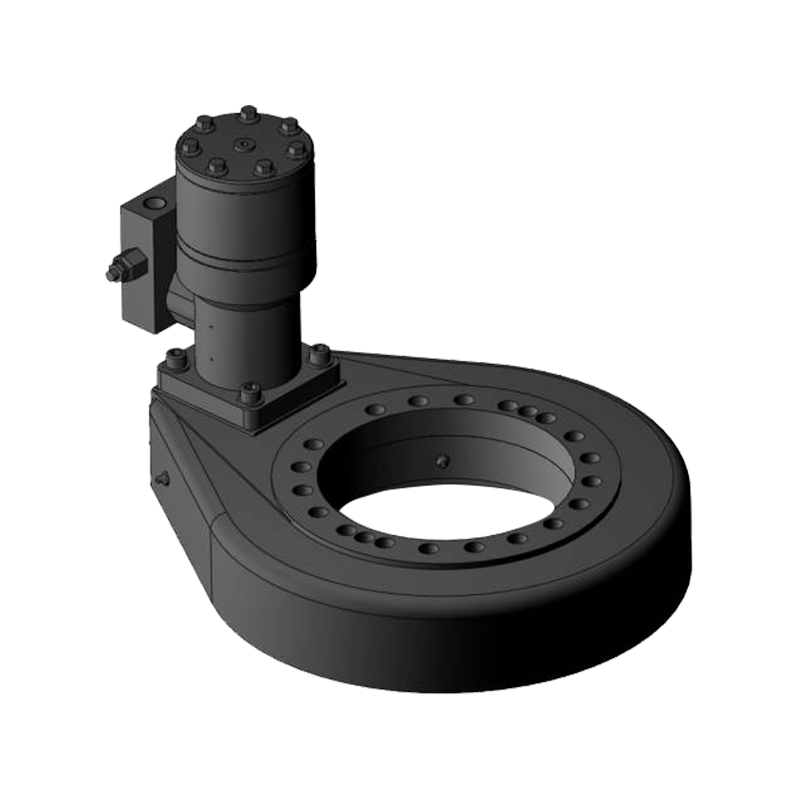
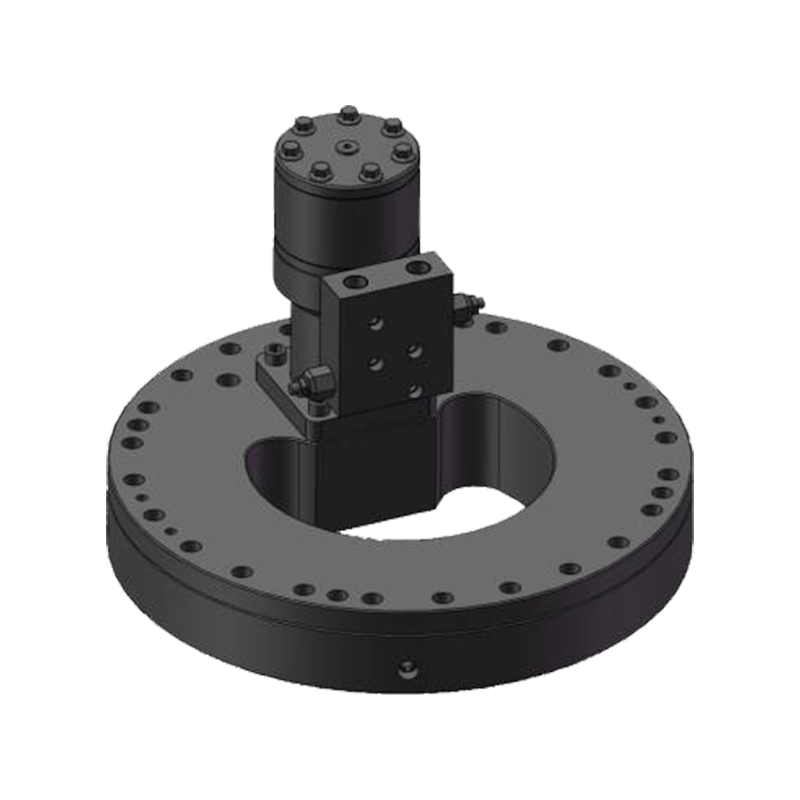
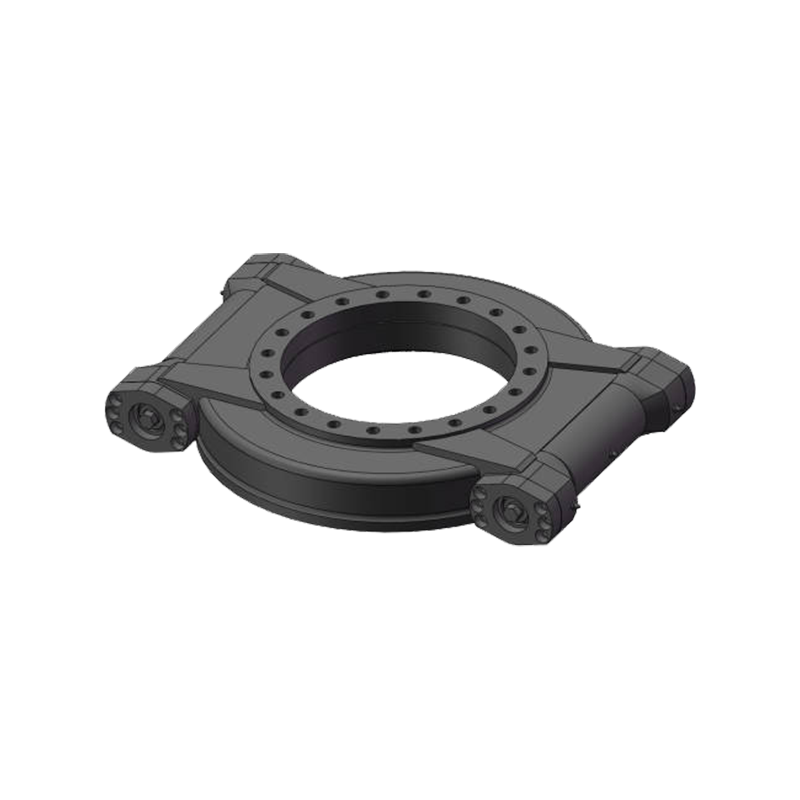
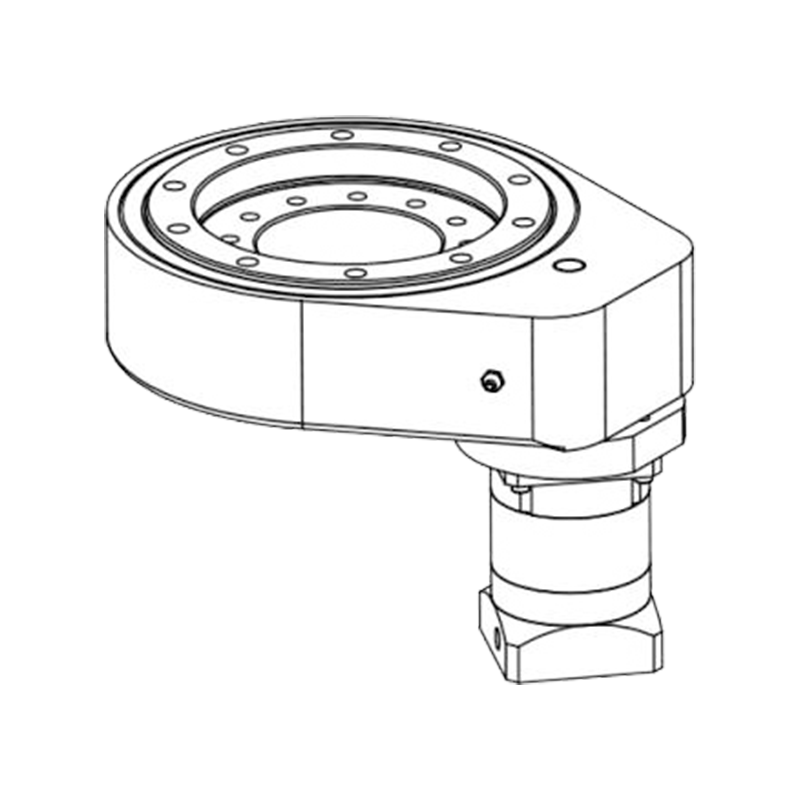
Vertical internal gear slewing drives are specialized mechanical devices used to enable rotational motion in heavy machinery such as cranes, excavators, wind turbines, and industrial turntables. These drives integrate a gear system with a slewing bearing, allowing equipment to rotate smoothly while supporting high loads.
They are designed to provide high torque in a compact form factor, which is essential for applications where space is limited but precise rotational control is required.
Components of a Vertical Internal Gear Slewing Drive
A vertical internal gear slewing drive consists of several key components that work together to provide reliable rotation:
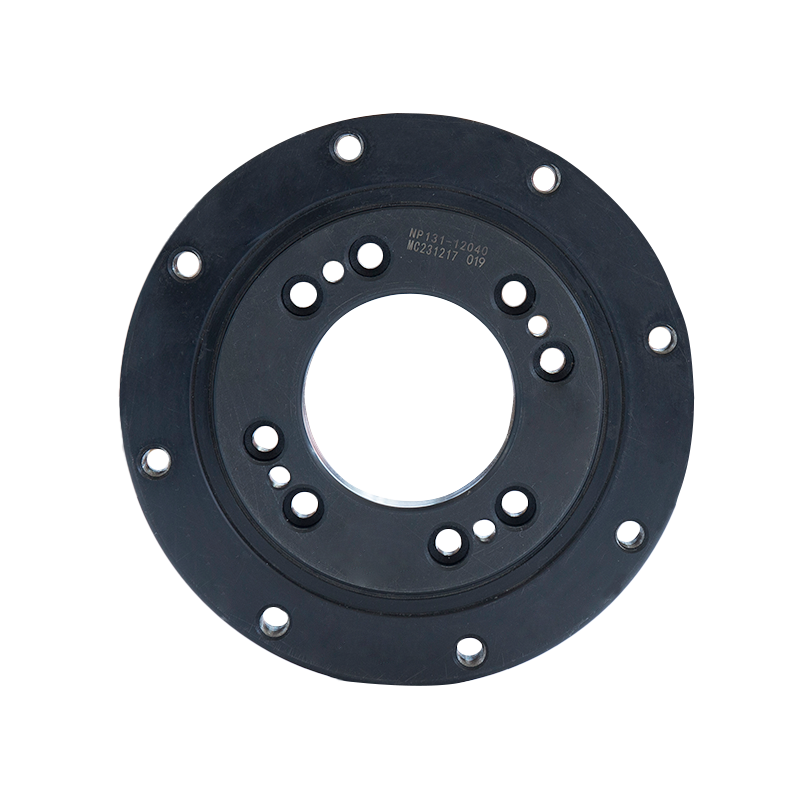
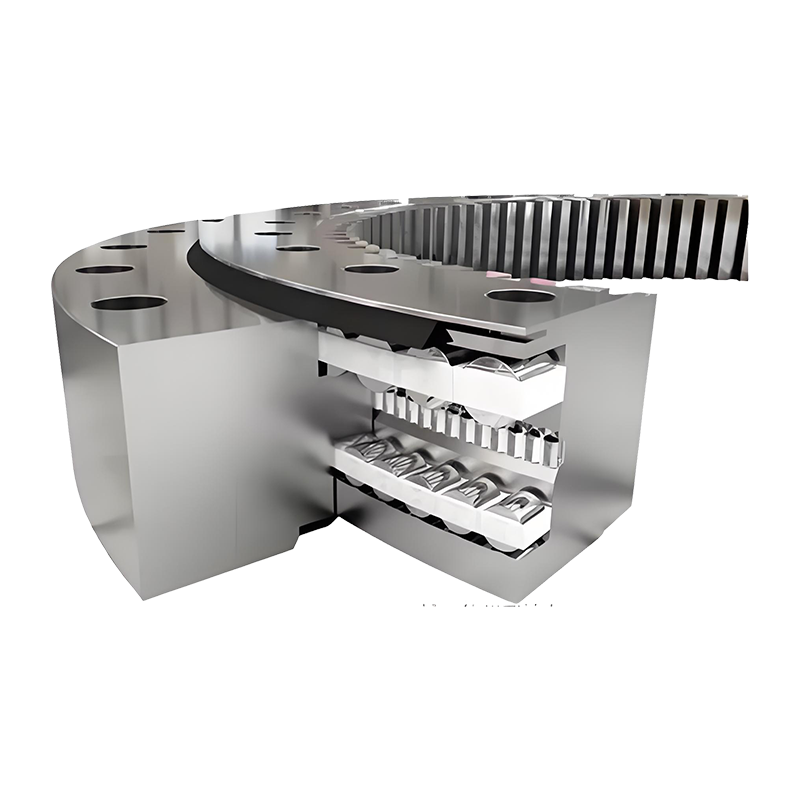
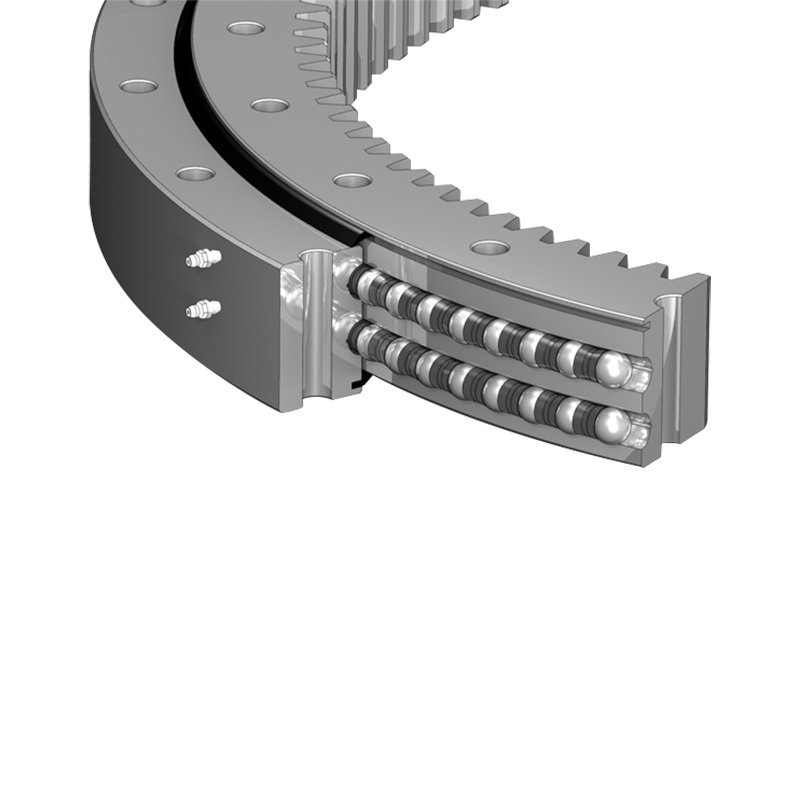
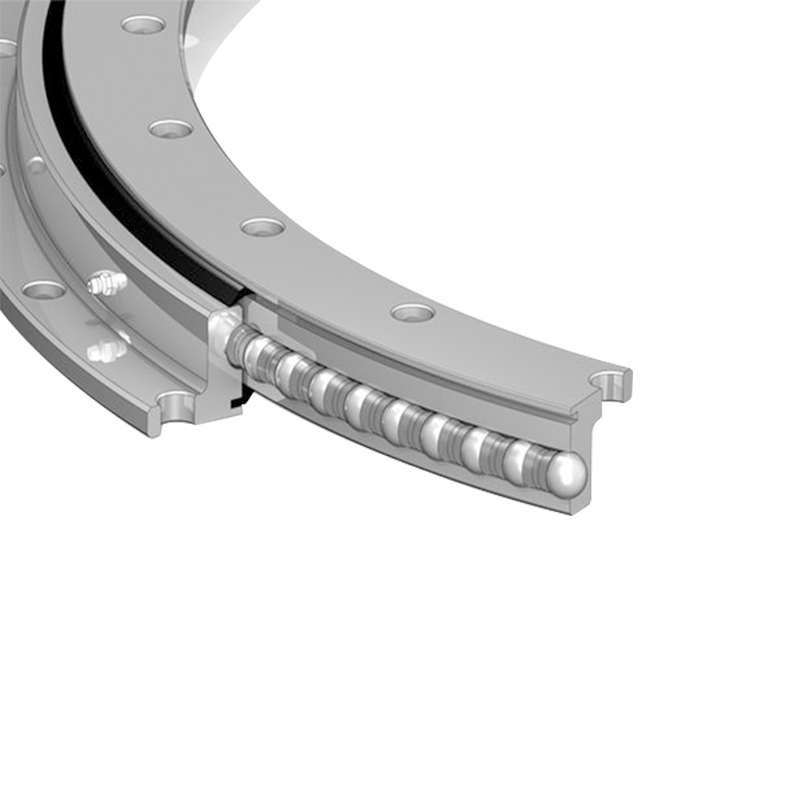
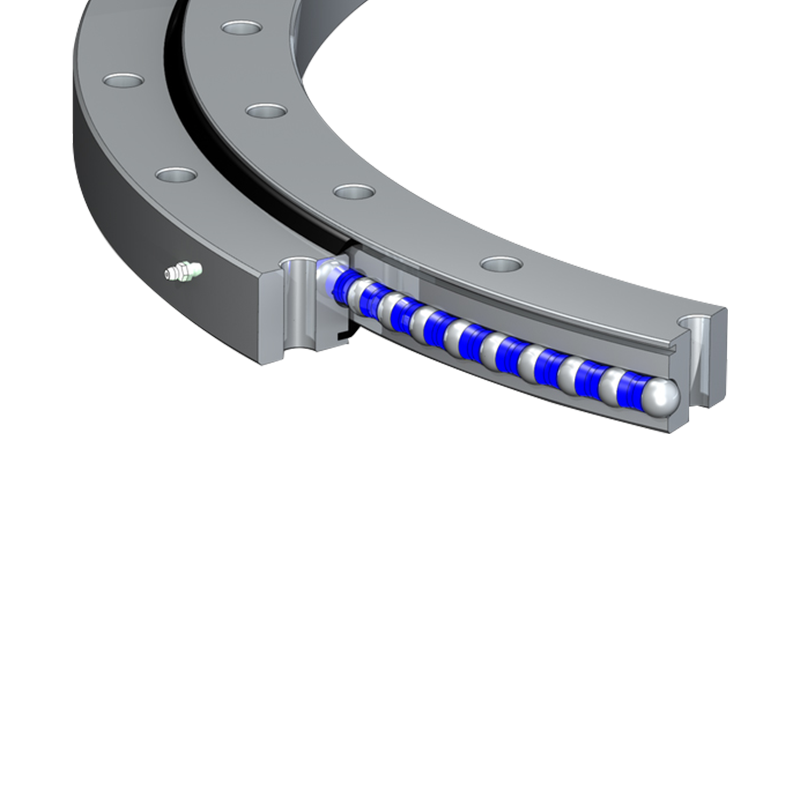
- Slewing Bearing: Supports axial, radial, and moment loads while enabling smooth rotation.
- Internal Gear: Engages with the drive pinion to transmit torque efficiently.
- Drive Pinion and Motor: Converts input power into rotational motion.
- Housing and Seals: Protect internal components from dust, debris, and moisture.
How Vertical Internal Gear Slewing Drives Work
The working principle of a vertical internal gear slewing drive involves the motor turning a pinion gear, which engages the teeth of the internal gear integrated into the slewing bearing. This converts rotational input into precise movement of the attached structure, whether it is a crane boom, excavator upper frame, or industrial platform.
This design allows the drive to handle heavy axial and radial loads while maintaining accurate positioning, making it suitable for continuous operation in demanding environments.
Applications in Heavy Machinery
Vertical internal gear slewing drives are widely used in industries requiring high-precision rotation under load. Common applications include:
- Cranes: Vertical internal gear drives enable smooth rotation of the crane boom, often integrated with slewing bearing cranes.
- Excavators: Used with excavator slewing ring bearings to rotate the upper structure efficiently.
- Wind Turbines: Facilitate yaw rotation for optimal wind capture.
- Industrial Turntables: Support precise positioning and rotation of heavy equipment in manufacturing or assembly lines.
Advantages of Vertical Internal Gear Slewing Drives
Vertical internal gear slewing drives offer multiple advantages over conventional slewing mechanisms:
- High Torque Capacity: Handles heavy loads without compromising performance.
- Compact Design: Saves space and integrates easily into machinery.
- Precise Rotation: Reduces backlash and enables accurate positioning.
- Reduced Maintenance: Integrated gear and bearing design lowers wear and service needs.
Performance Comparison
| Feature | Vertical Internal Gear Drive | Conventional Drive |
| Torque Capacity | High | Medium |
| Precision | High | Moderate |
| Maintenance | Low | High |
| Space Requirement | Compact | Larger footprint |
Maintenance and Best Practices
Regular maintenance of vertical internal gear slewing drives ensures long-term reliability. Proper lubrication, inspection of the slewing bearing crane and excavator slewing ring bearing, and monitoring for unusual wear or backlash are critical for optimal performance.
Selecting high-quality components and following manufacturer guidelines reduces downtime and extends service life, especially in high-load industrial applications.
Conclusion
Vertical internal gear slewing drives are essential components in modern heavy machinery. By integrating compact gearing with robust slewing bearings, they provide high torque, precise rotation, and long-term durability. Applications in cranes, excavators, wind turbines, and industrial turntables demonstrate their versatility and performance benefits.
Understanding their structure, working principle, and advantages allows engineers and operators to select the right slewing drive for specific equipment, improving efficiency, safety, and operational lifespan.

Jiangsu Manchen Transmission Technology Co., Ltd. excels in creating custom, reliable, and precise slewing bearings for diverse industries, continuously innovating to meet the highest standards and seeking collaborative opportunities. Reliable and steady slewing bearings supplier in China.
Product links
Contact Us
-
Address:No. 8, Nanqiu Road, Huangtu Town, Jiangyin City,China
-
Tel:+86-13646122221
-
Phone:+86-18796936198
-
WhatsApp:+86 18796936198
-
E-mail:hedy@slewingbearingcn.com
-
E-mail:ma@slewingbearingcn.com
-
E-mail:vena@slewingbearingcn.com
